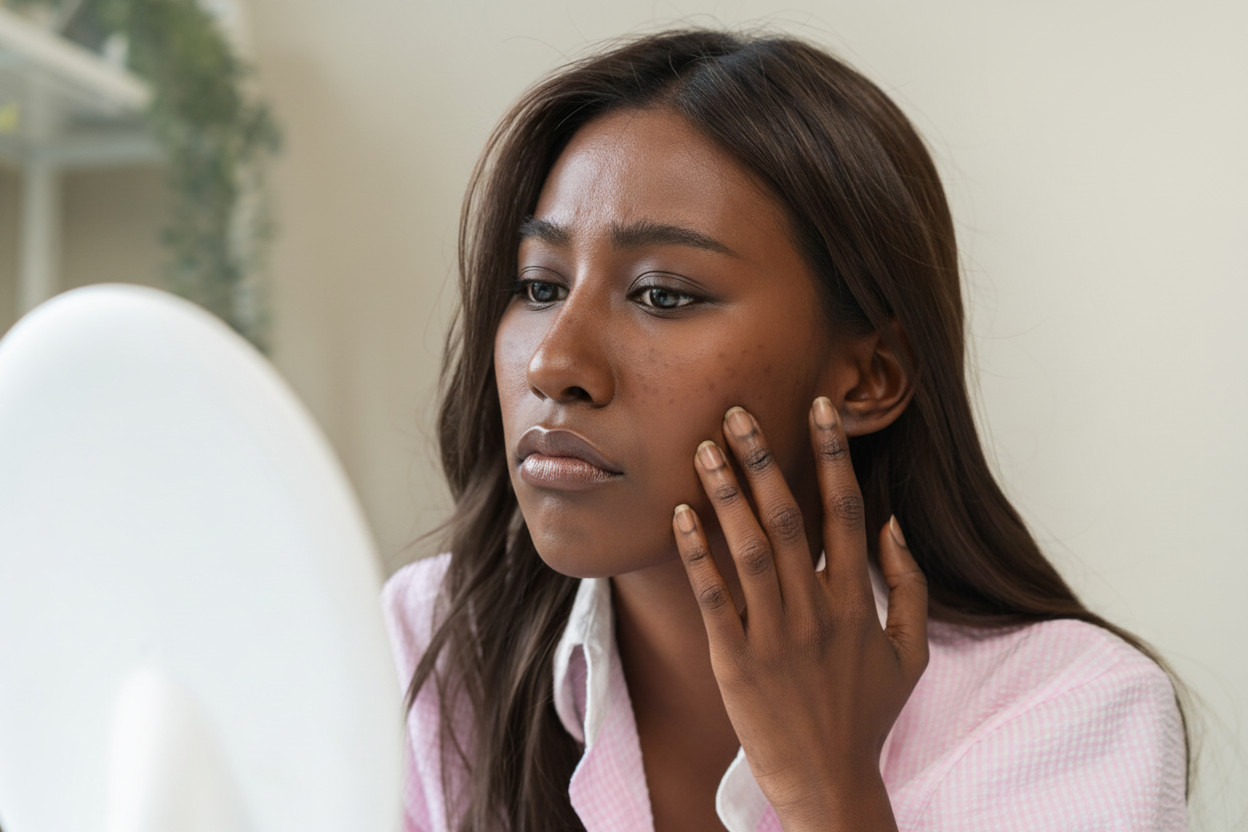
If you’ve ever stood in front of a mirror, looked at a patch of uneven skin, and felt a quiet frustration you couldn’t quite put into words, this post is for you. Dark spots have a way of making people feel like their skin is betraying them. Like no matter what they do, no matter how many products they try, those stubborn patches of discolouration just refuse to leave.
The part nobody tells you is that most people who struggle with dark spots are fighting them completely wrong, not because they aren’t trying, but because they don’t actually know what they’re fighting. They’re treating the surface when the real story is happening underneath. They’re reaching for brightening creams when what they actually need is to understand the root cause first.
Dark spots don’t appear randomly. Every single one has a reason a trigger, a cause, a story written in your skin. Find the cause, and you find the solution.
So today, we’re having a real conversation about dark spots. What they actually are, why they really form, and most importantly, what genuinely works to fade them. No false promises. No glossy marketing. Just the truth your skin deserves to hear.
What Is a Dark Spot?
Before we talk about causes and solutions, let’s understand what’s actually happening in your skin when a dark spot forms.
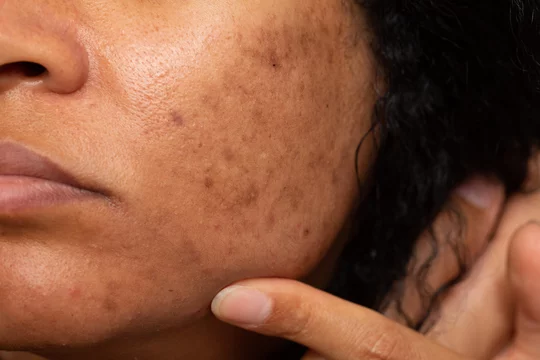
Your skin contains cells called melanocytes, their job is to produce melanin, the pigment that gives your skin its colour. Under normal circumstances, melanin production is steady and evenly distributed. But when the skin experiences any kind of stress whether from the sun, a breakout, a wound, hormonal shifts, or inflammation, melanocytes go into overdrive. They produce an excess of melanin in that specific area, and that excess rises to the surface of the skin as a dark patch.
That patch is what we call a dark spot also known as hyperpigmentation. And depending on what triggered that melanin overproduction, the type of dark spot, its depth, and the most effective way to treat it will all differ. Which is exactly why one-size-fits-all approaches rarely work.
Here Are The Real Causes And What to Do About Each One
1. Sun Exposure
The most common culprit and the most underestimated
The sun is the single biggest contributor to dark spots and the most frequently underestimated one. Every time your skin is exposed to UV rays without adequate protection, melanocytes respond by ramping up melanin production as a defence mechanism. Over time, this cumulative response creates the flat, well-defined patches we call sunspots, most commonly appearing on the face, neck, chest, and hands.
What makes sun-related dark spots particularly persistent is that UV exposure doesn’t just create new spots, it deepens existing ones. Any dark spot, regardless of its original cause, will become significantly darker and harder to fade with continued, unprotected sun exposure. This is why SPF isn’t optional in a brightening routine. It is the foundation everything else is built on.
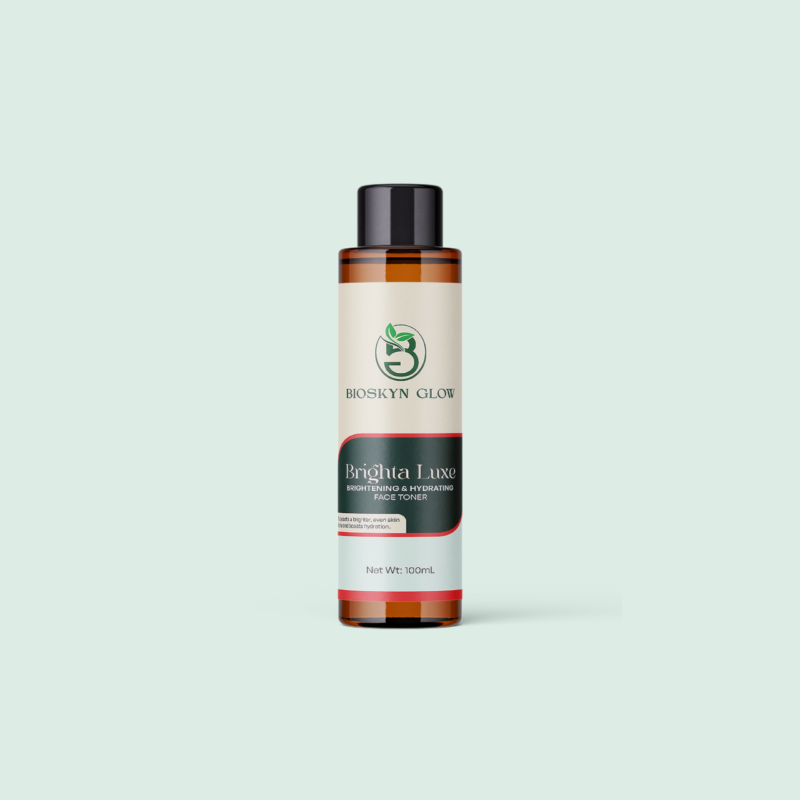
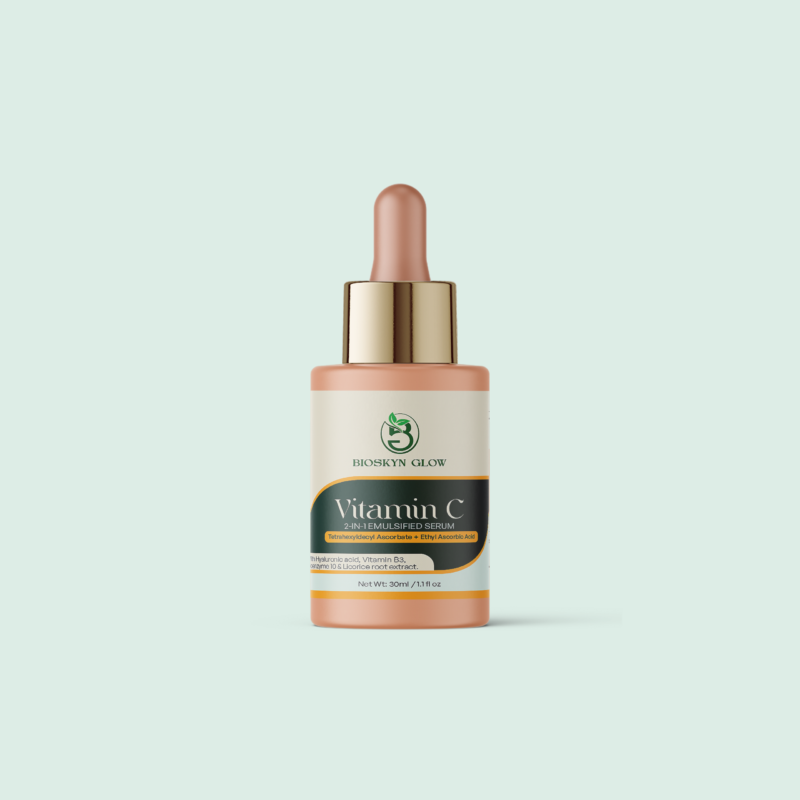
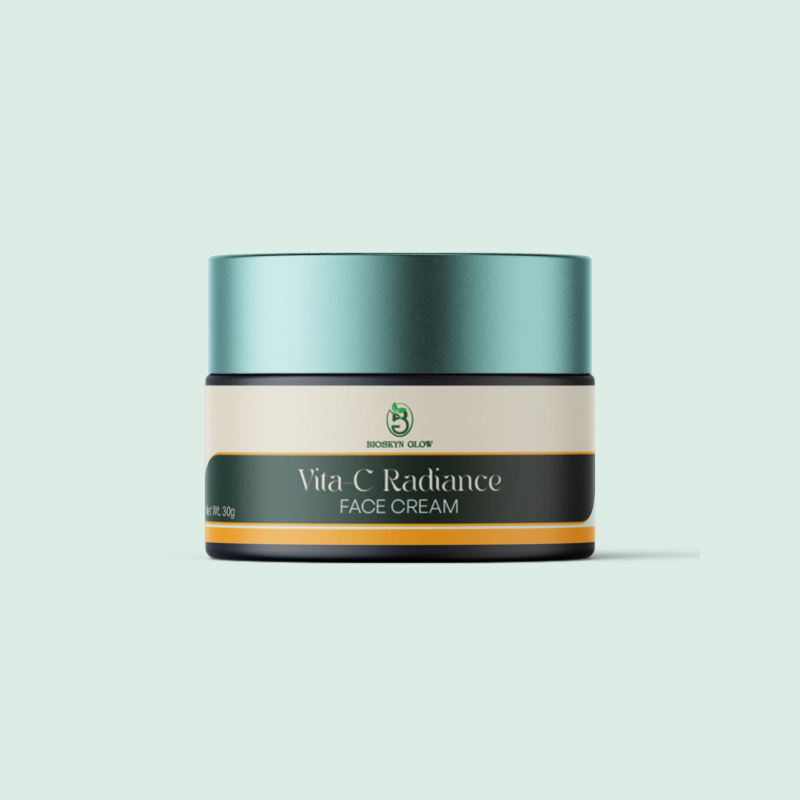
The solution approach: Consistent sun protection every single day; rain or shine, indoors or outdoors. Pair it with a brightening serum and a Vitamin C-powered cream to actively work against existing pigmentation while shielding from further damage.
2. Post-Acne Marks
The aftermath that outlasts the breakout
If you’ve ever had a breakout clear up only to leave behind a dark mark that lingered for months, you already know this one intimately. These marks are called post-inflammatory hyperpigmentation (PIH for short) and they are one of the most emotionally frustrating skin concerns there is. The pimple is gone. But its shadow remains.
Here’s what’s happening: when your skin experiences the inflammation of a breakout, melanocytes in the surrounding area respond to that inflammatory signal by producing excess melanin. That excess gets deposited in the skin as the breakout heals, leaving behind a flat, discoloured mark that can range from pink to red to brown, depending on your skin tone and the severity of the original breakout.
The deeper your skin tone, the more pronounced and longer-lasting these marks tend to be, not because darker skin is more damaged, but because it contains more active melanocytes that respond more intensely to inflammation. This is one of the most important things people with deeper complexions need to understand about their skin.
The solution approach: Treat the active breakout gently, never pick or squeeze, as this dramatically worsens PIH. Follow with targeted brightening actives that interrupt pigment transfer and accelerate cell turnover to bring fresh, even skin to the surface faster.
3. Hormonal Changes
The internal shift that shows up on your face
Have you ever noticed dark patches appearing across your cheeks, forehead, or upper lip — almost like a mask? That’s melasma, one of the most common and most stubborn forms of hyperpigmentation, and it’s driven almost entirely by hormones.
Melasma occurs when elevated levels of oestrogen and progesterone stimulate melanocytes into overdrive. This is why it’s so prevalent during pregnancy, earning it the nickname “the mask of pregnancy” but it also commonly appears with hormonal contraceptives, thyroid imbalances, and hormonal fluctuations during perimenopause. Sun exposure acts as a powerful aggravator, making melasma significantly worse and significantly harder to fade.
Melasma is one of the most challenging forms of hyperpigmentation to treat because its root trigger is internal. Topical treatments can visibly fade it but consistent, disciplined use is essential, and protecting the skin from UV exposure is absolutely non-negotiable.
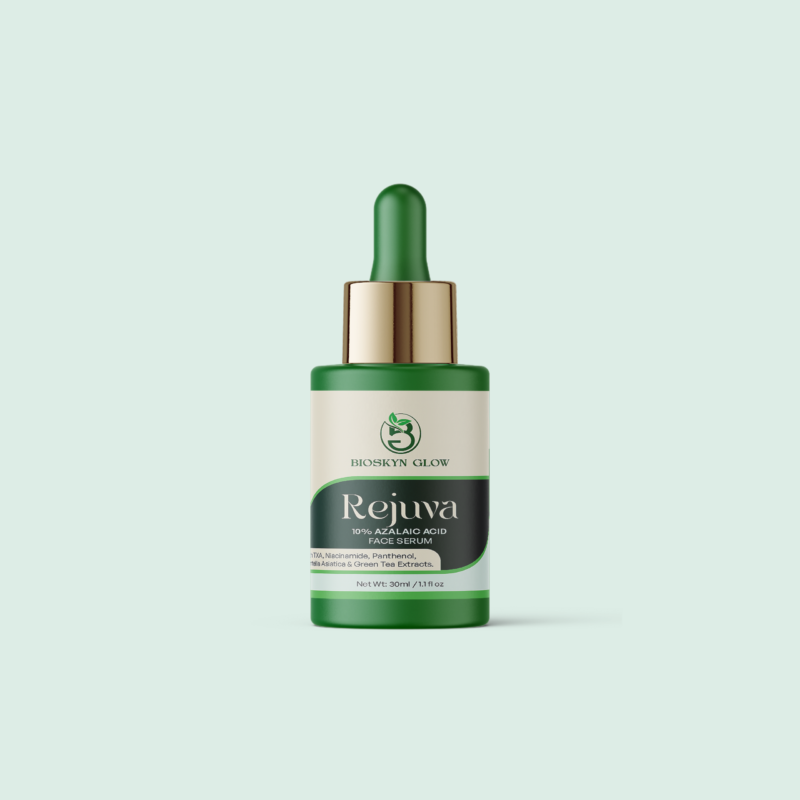
The solution approach: A gentle yet consistently brightening routine is key. Azelaic acid is particularly celebrated for melasma because it targets pigment without aggravating the skin. Pair with daily brightening hydration to keep skin balanced and luminous.
4. Inflammation & Skin Trauma
When the skin remembers what hurt it
Dark spots don’t only follow breakouts. Any form of skin trauma or prolonged inflammation can trigger the same melanin overproduction response; cuts, burns, rashes, eczema, aggressive scrubbing, insect bites, even the friction of tight clothing against skin over time, all leave behind post-inflammatory marks that linger long after the original wound has healed.
This is skin memory. Your skin doesn’t forget what it’s been through and it records those experiences in the form of discolouration. The good news is that these marks, while stubborn, are responsive to the right targeted treatment. The skin is always working to renew itself. The right products simply accelerate and support that process.
The solution approach: Exfoliation to accelerate cell turnover, brightening actives to interrupt pigment production, and deep hydration to support the skin’s natural healing. Patience and consistency are key, the right routine shortens the timeline significantly.
5. Dark Underarms & Inner Thighs
The concern nobody talks about but almost everyone has
Let’s talk about the dark spots that don’t live on the face because they deserve just as much attention and just as little shame. Dark underarms and inner thighs are incredibly common, and yet they remain one of the most quietly suffered skin concerns simply because people don’t feel comfortable discussing them.
The causes here are specific: friction from clothing and movement, shaving irritation, deodorant buildup, sweat, and the natural folding of skin in those areas all create chronic low-grade inflammation which, as we now know, leads directly to hyperpigmentation. These areas respond beautifully to targeted treatment, but they need products formulated specifically for them.
The solution approach: A dedicated targeted treatment formulated specifically for these delicate, high-friction zones paired with a brightening body scrub to gently lift surface discolouration and accelerate renewal.
The Golden Rules of Fading Dark Spots
Consistency beats intensity every time. The temptation with dark spots is to do more – more products, stronger formulas, more frequent application. But skin pigmentation responds to steady, patient consistency far better than aggressive, erratic treatment. Show up for your skin every day, and your skin will show up for you.
SPF is non-negotiable. Every brightening serum, every fading treatment, every Vitamin C product you apply becomes significantly less effective without UV protection. SPF is not the final step of your routine. It is the step that makes every other step work.
Never pick. Ever. Picking at breakouts or any form of skin irritation dramatically worsens post-inflammatory hyperpigmentation. The mark a pimple leaves when it heals naturally is always significantly lighter than the mark it leaves when interfered with. Hands off always.
Results take time and that’s okay. Melanin that took months to form doesn’t disappear in a week. Most people begin to see a meaningful visible shift within 6 to 12 weeks of consistent treatment. Trust the process, stay consistent, and measure progress in months not days.
Dark spots are not a flaw. They are not a sign of bad skin or neglect or failure. They are a record. A record of everything your skin has navigated, endured, and survived. The sun it soaked up, the breakouts it fought off, the hormonal storms it weathered, the wounds it healed.
Your skin has been working tirelessly on your behalf. Now it’s your turn to work on its behalf with the right knowledge, the right products, and the kind of patient consistency that actually moves the needle.
You now know what you’re dealing with. You know why it’s there. And you know exactly what to reach for. That’s not a small thing; that’s everything.