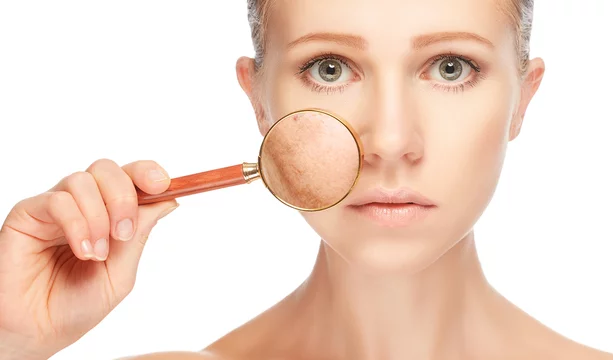
Think back to the last time someone asked you about your skin type. Did you answer confidently or did you pause, half-guess, and land on something that sounded right? If it’s the latter, you are in the overwhelming majority. Most people move through their entire skincare journey operating on a skin type assumption they formed years ago, maybe as a teenager, maybe from a quiz they took on a beauty website and they never revisit it.
Here’s the thing about that: skin changes. It changes with your hormones, your diet, your environment, your age, your stress levels, and even the seasons. The skin you had at seventeen is not the skin you have today. And if your routine has never changed to reflect that, it might be working against you in ways you haven’t even noticed yet.
Misidentifying your skin type isn’t a small mistake. It’s the reason good products don’t work, routines feel frustrating, and skin concerns never quite resolve no matter how much you spend.
So let’s fix that. Right here. Right now. By the end of this post you will know your skin type with genuine certainty and you’ll understand exactly what it needs to thrive.
Why Getting This Wrong Costs You More Than You Think
Before we dive into the five types, let’s talk about what’s actually at stake because this matters beyond just picking the right moisturizer.
When you use products formulated for a different skin type, your skin has to work against them rather than with them. A heavy cream designed for dry skin sitting on oily skin doesn’t nourish it, it congests it, stretches pores, and triggers breakouts. A stripping cleanser designed for oily skin used on combination skin doesn’t balance it, it disrupts the barrier, causes reactive oiliness, and creates sensitivity that wasn’t there before.
The products aren’t bad. They’re simply the wrong tool for the job. And using the wrong tool, consistently, over months and years, is how skin concerns deepen rather than resolve.
Now let’s get you the right tools.
The Five Skin Types Truly Understood
01. Normal Skin
The balanced one; rarer than you think
Normal skin is the benchmark; the skin type everything else is measured against. It’s balanced: not too oily, not too dry, not overly sensitive, not particularly reactive. Pores are small, texture is even, and breakouts are occasional rather than chronic. It holds moisture well without feeling heavy, and it generally responds well to a wide range of products without complaint.
Here’s what most people don’t know about normal skin: it’s genuinely uncommon. Many people claim it because they don’t want to admit to a concern but true normal skin requires very little management. If your skin needs work to stay balanced, it probably isn’t normal. It might be combination that’s well-managed, or it might be something else entirely.
Signs you have normal skin
Skin feels comfortable and balanced throughout the day without much intervention.
Breakouts are infrequent and typically tied to hormonal cycles.
Products rarely cause irritation or unexpected reactions.
Your complexion looks naturally even and healthy without heavy coverage.
COMMON MISTAKES
Neglecting it. Normal skin still needs consistent care. Skipping SPF, hydration, or antioxidant protection because “my skin is fine” is how normal skin ages faster than it should.
02. Dry Skin
The thirsty one often confused with dehydration
Dry skin is a skin type, meaning it’s largely genetic and structural. Dry skin produces less sebum than it needs, which means its natural lipid barrier is thinner and less effective at locking in moisture. The result is skin that feels tight, looks dull, flakes at the surface, and shows fine lines earlier and more visibly than other types.
Dry skin craves richness, creamy cleansers, deeply nourishing moisturizers, occlusive body butters, and hydrating serums that replenish what the skin can’t produce on its own. It doesn’t do well with harsh actives, foaming cleansers that strip the barrier, or alcohol-heavy toners that evaporate faster than they hydrate.
Signs you have dry skin
Skin feels tight, especially after cleansing, even before applying anything.
Visible flaking or rough patches, particularly around the nose and cheeks.
Fine lines appear more pronounced when skin is bare.
Skin rarely looks shiny if anything, it looks dull and flat.
Moisturiser absorbs immediately and skin still feels like it wants more.
COMMON MISTAKES
Confusing dry skin with dehydrated skin. Dry skin lacks oil. Dehydrated skin lacks water. You can have oily skin that is simultaneously dehydrated, they are not the same thing, and they don’t respond to the same solutions.
03. Oily Skin
The misunderstood one – not a flaw, a feature.
Oily skin produces sebum in excess — and while that comes with its frustrations (the midday shine, the enlarged pores, the breakouts), it also comes with real advantages that most people with oily skin never stop to appreciate. Oily skin ages more slowly. Its natural moisture barrier is stronger. And when treated correctly, it can be some of the most luminous, resilient skin in the room.
The tragedy of oily skin is that most people try to fight it rather than work with it. They strip it, over-cleanse it, and load it with mattifying products and in doing so, they trigger the skin into producing even more oil to compensate. The result is a cycle that never ends. The solution isn’t less moisture, it’s the right moisture. Lightweight, non-comedogenic, and barrier-supporting.
Signs you have oily skin
Skin looks shiny or greasy within an hour or two of cleansing.
Pores are visibly enlarged, particularly on the nose, forehead, and chin.
Breakouts are frequent and tend to be deep or cystic.
Makeup slides off or breaks down throughout the day.
Skin rarely feels tight or uncomfortable, if anything, it feels congested.
COMMON MISTAKES
Skipping moisturizer entirely. This is perhaps the most damaging thing oily skin owners do. Unhydrated skin overproduces oil to self-protect. Moisturizing correctly is the single best thing you can do to regulate sebum production long-term.
04. Combination Skin
The complex one – two skins in one body
Combination skin is the most commonly misidentified type and ironically, also the most common type overall. It’s characterized by an oily T-zone (forehead, nose, chin) and drier or more normal cheeks. Two different zones with two different needs living on the same face. It’s not a compromise, it just requires a little more thought.
The mistake most people with combination skin make is treating it as one uniform type. They reach for a rich moisturizer for the dry patches and end up breaking out on the forehead. They use an oil-control cleanser for the T-zone and end up with flaky cheeks. The secret is understanding that different areas can and should receive different treatment. A lightweight gel moisturizer everywhere, a richer cream on the cheeks only, a targeted serum on oilier zones. Combination skin is manageable. It just needs nuance.
Signs you have combination skin
T-zone (forehead, nose, chin) is visibly oilier than the rest of the face.
Cheeks feel normal to dry, sometimes tight after cleansing.
Breakouts tend to occur in the T-zone while cheeks stay clear.
Products that feel perfect on one area feel wrong on another
COMMON MISTAKES
Treating the whole face the same way. Combination skin rewards a multi-zone approach. What your T-zone needs and what your cheeks need are often genuinely different things.
05. Sensitive Skin
The reactive one – often a symptom, not just a type
Sensitive skin is perhaps the most nuanced of the five because sensitivity isn’t always a standalone skin type. It can be an overlay on any other type. You can have sensitive dry skin, sensitive oily skin, or sensitive combination skin. What they all share is a skin barrier that reacts more easily and more intensely to triggers that other skin types tolerate without issue.
Redness, stinging, itching, blotchiness, tightness after product application, these are the signatures of sensitive skin. And they’re signals. Signals that the barrier is compromised, that something in the environment or the routine is aggravating the skin, or that an ingredient isn’t right. Sensitive skin doesn’t need to be a permanent reality. With the right barrier-supporting care, it can and often does become significantly calmer over time.
Signs you have sensitive skin
Skin flushes, stings, or becomes blotchy after product application.
Redness appears easily from heat, friction, certain foods, or stress.
New products frequently cause reactions other people don’t experience.
Skin feels uncomfortable in extreme temperatures or windy conditions.
Fragrance, alcohol, or strong actives reliably cause irritation.
COMMON MISTAKES
Assuming sensitive skin means avoiding all actives forever. Sensitive skin needs gentle actives not absent ones. Ingredients like Niacinamide are specifically celebrated for being effective and soothing at the same time.
The Bare-Face Test. Know Your Skin Type in 60 Minutes
This is the most reliable way to identify your true skin type at home. No quiz. No guessing. Just your skin, some time, and honest observation.
Cleanse Gently: Wash your face with a mild, non-stripping cleanser. Pat dry.
Apply Nothing: No toner, no serum, no moisturizer. Leave skin completely bare.
Wait 60 Minutes: Go about your morning. Don’t touch your face.
Observe Honestly: Look closely in good light. Does your skin feel tight and look dull? Dry. Does it look shiny all over? Oily. Shiny only across the T-zone with drier cheeks? Combination. Comfortable and balanced? Normal. Red, irritated, or reactive at any point during the wait? Sensitive.
Repeat It: Do this test across different days and different seasons. Your skin may shift. That’s normal. Stay curious about it.
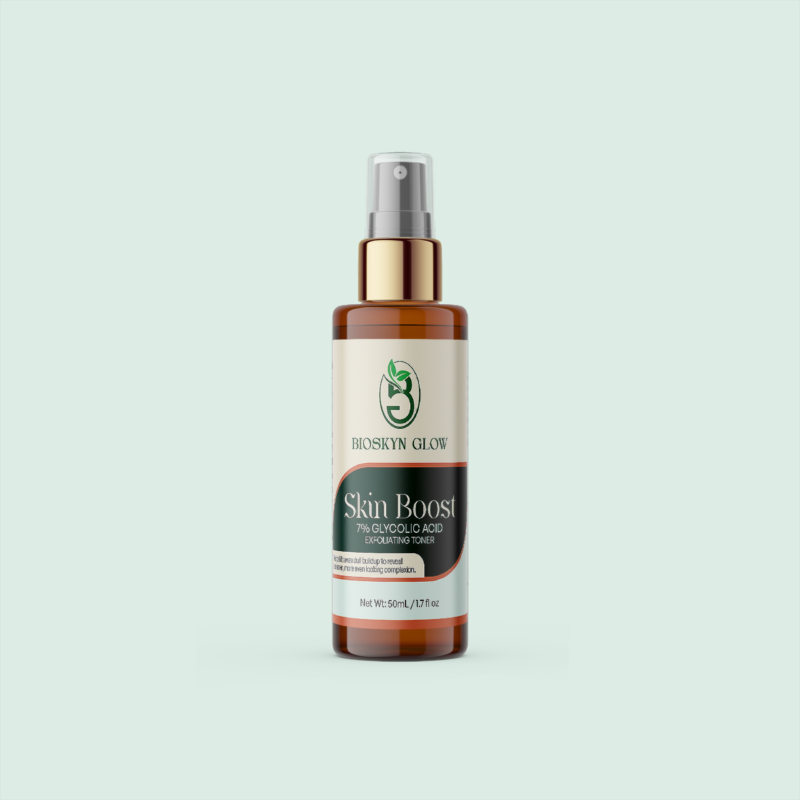
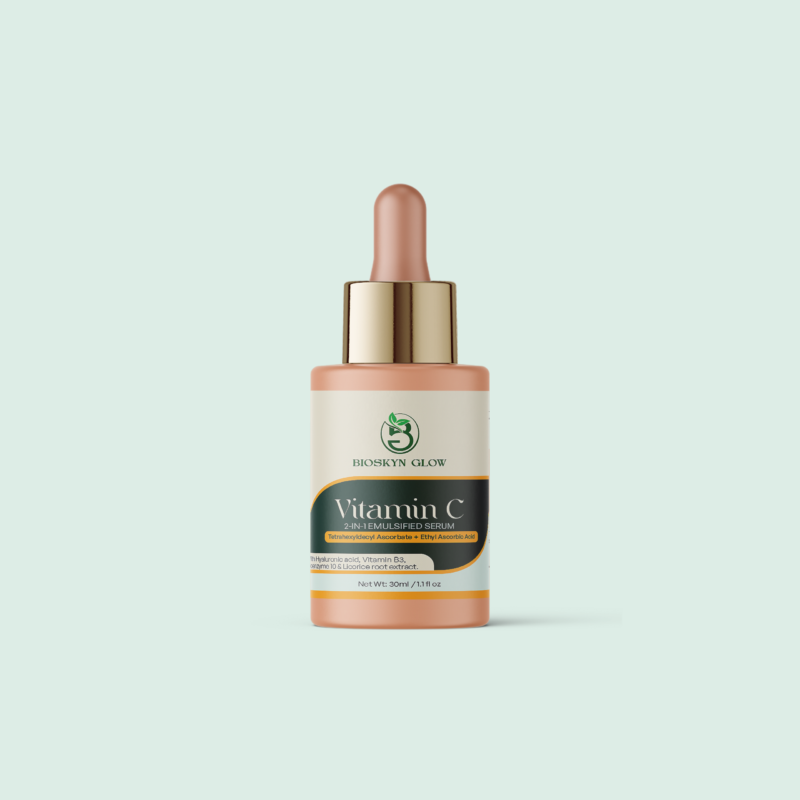
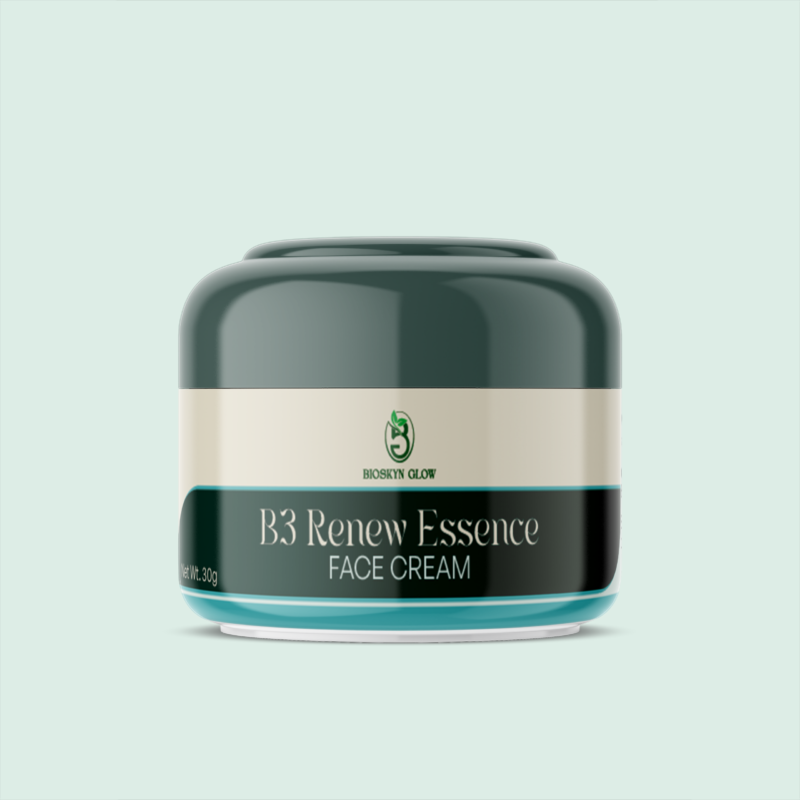
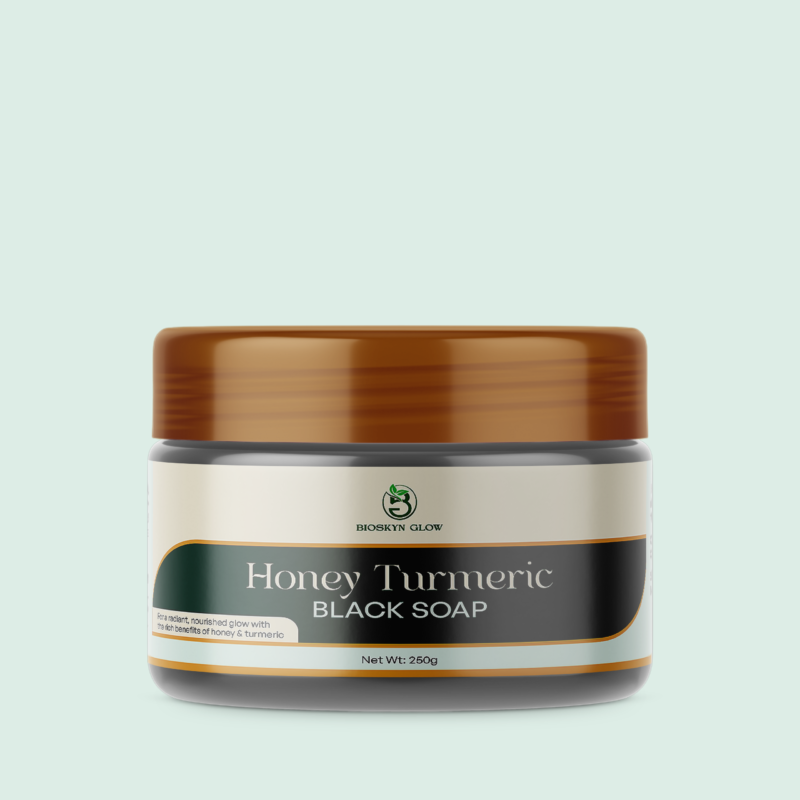
Now That You Know – Shop for Your Skin
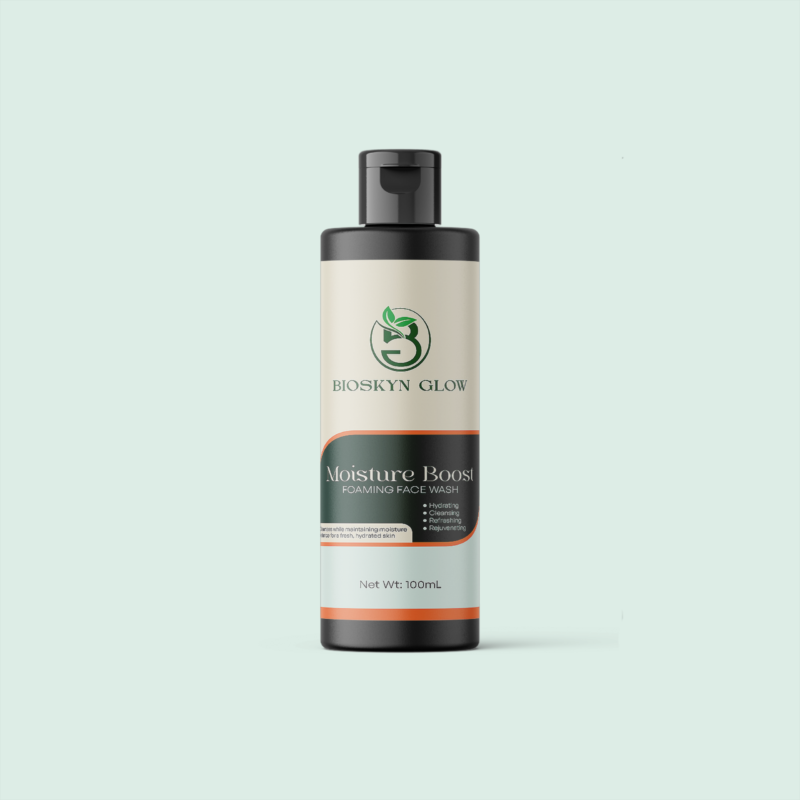
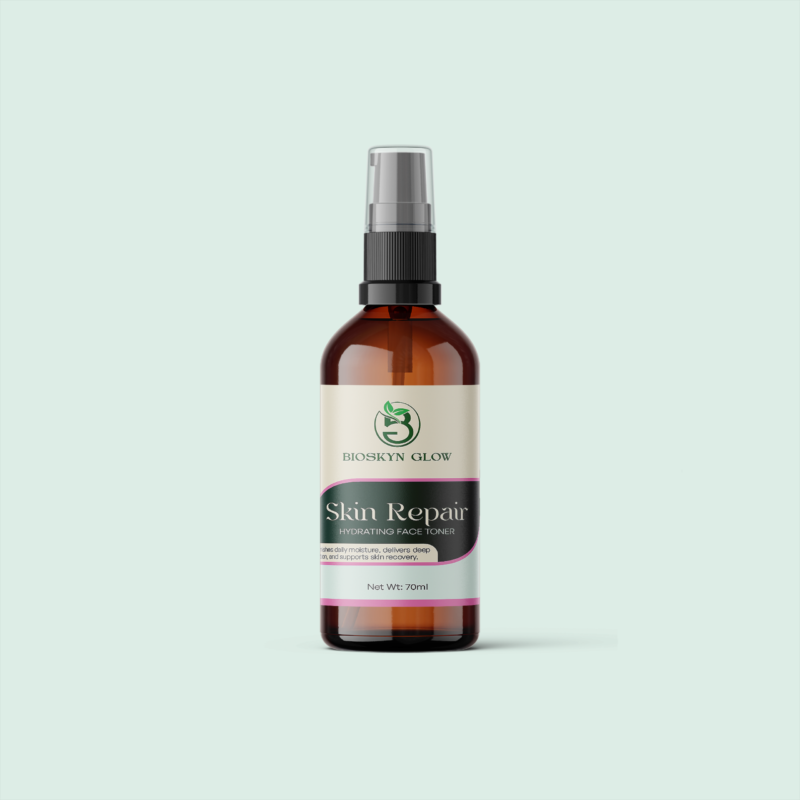
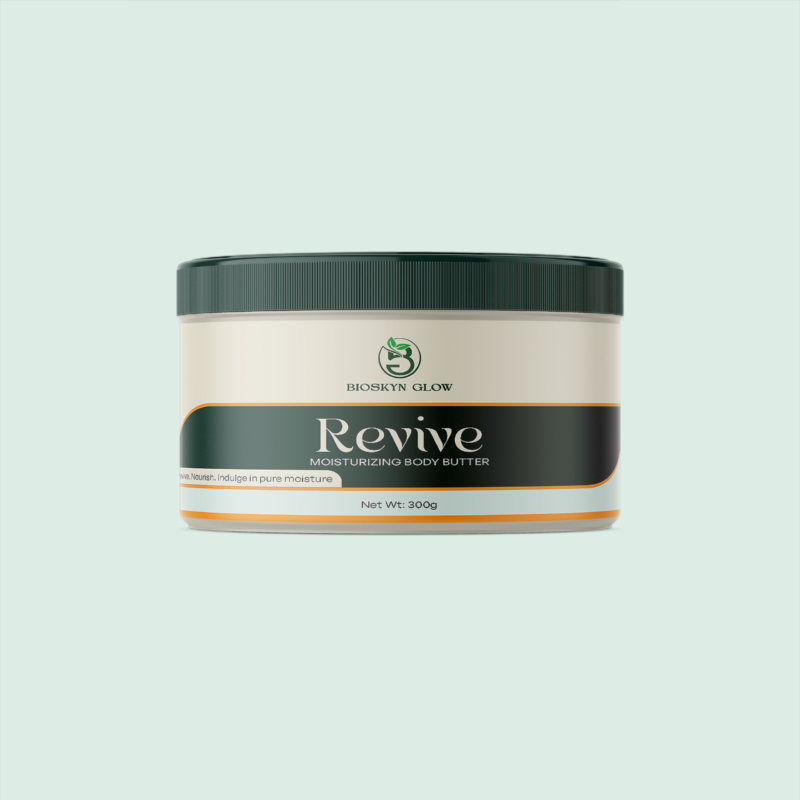
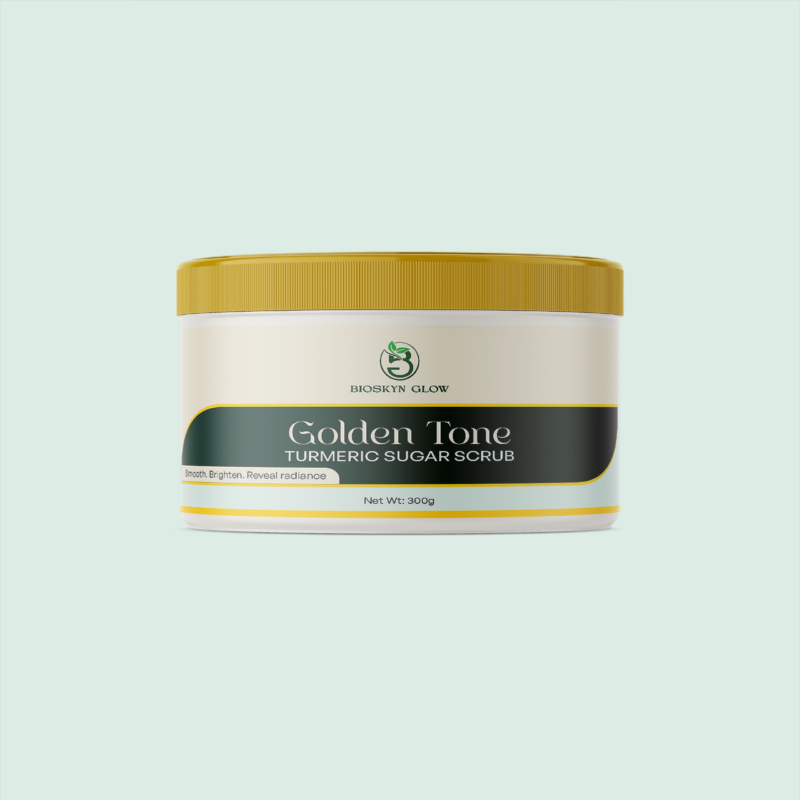
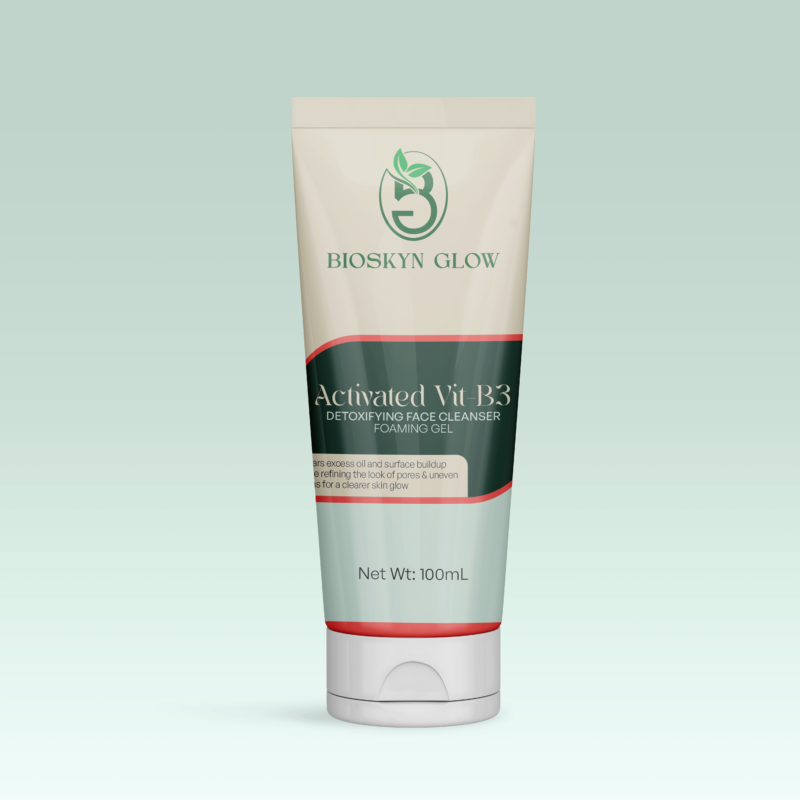
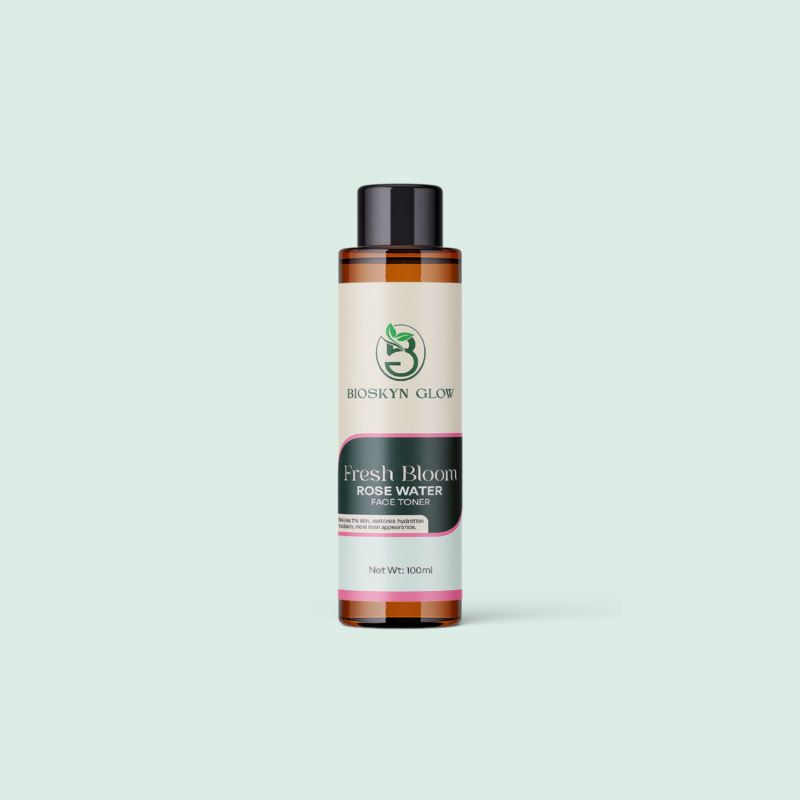
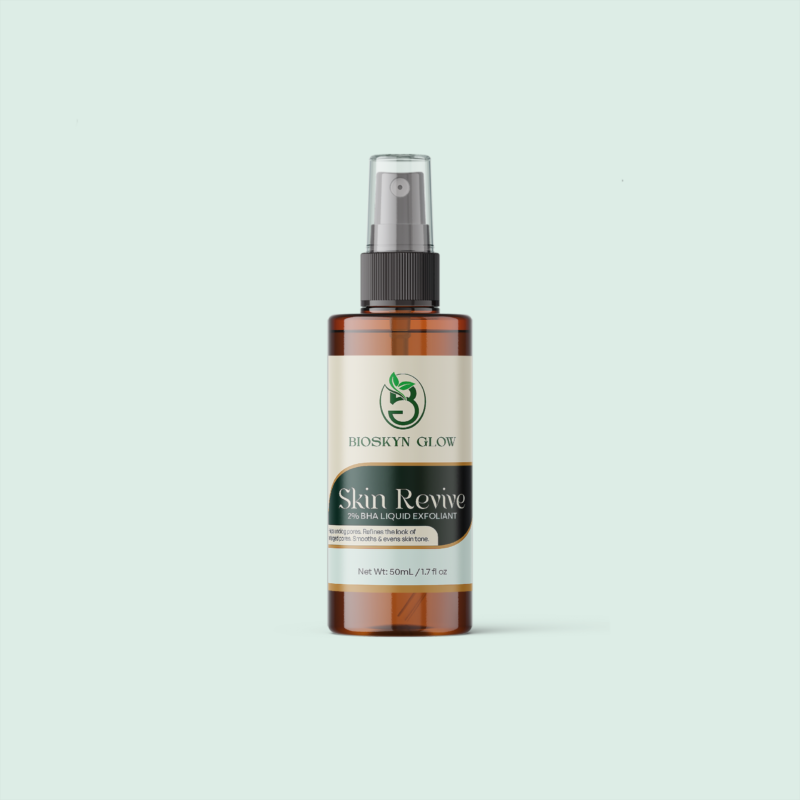
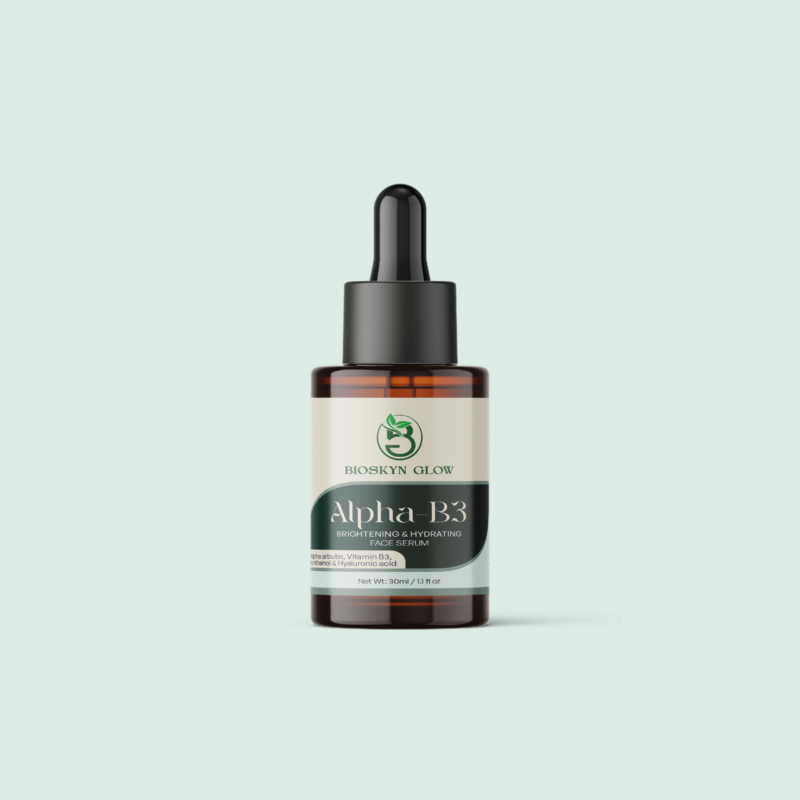
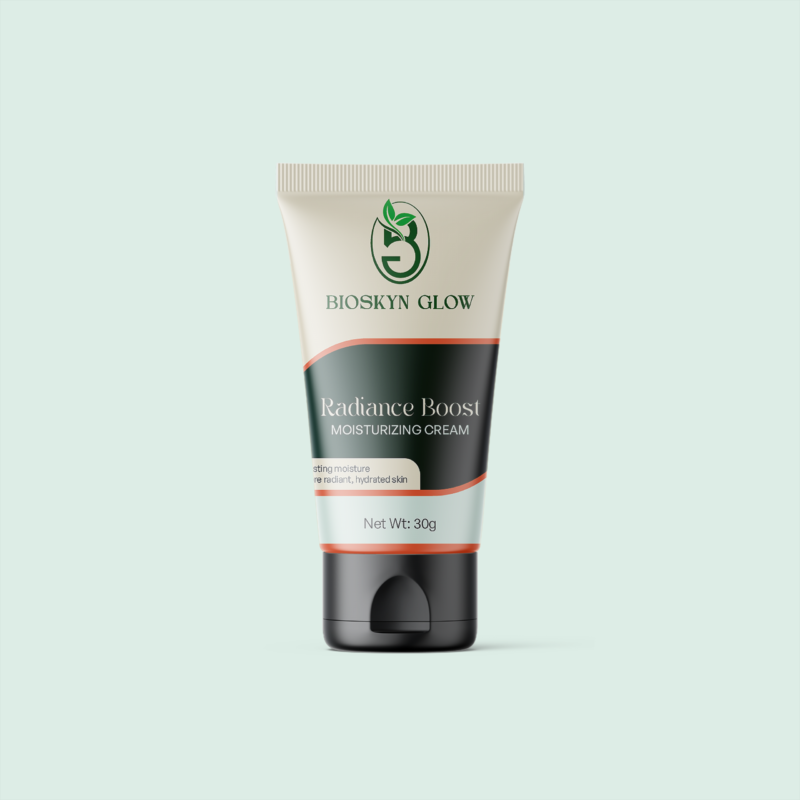
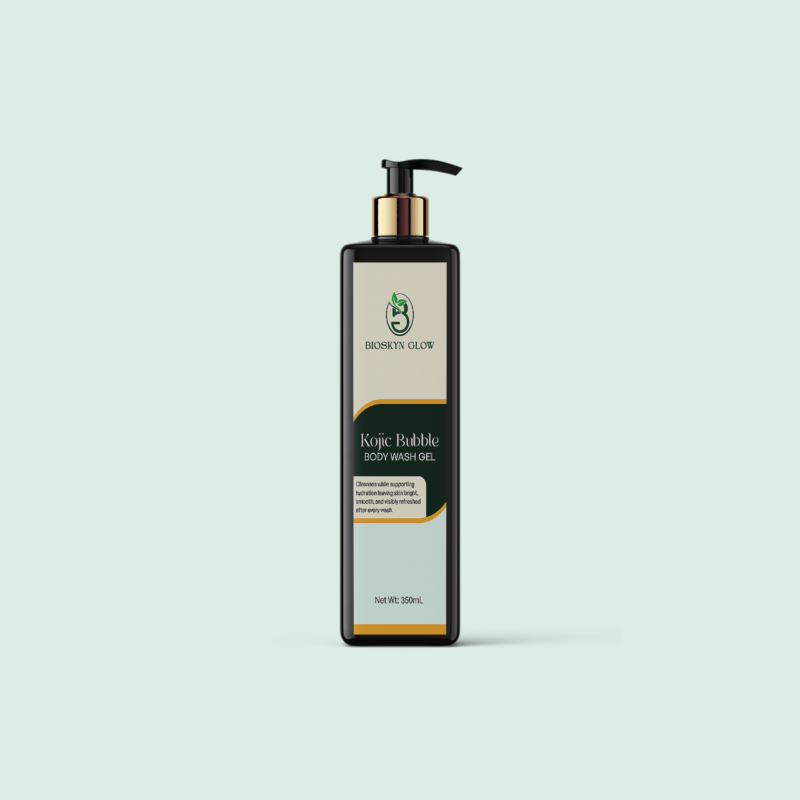
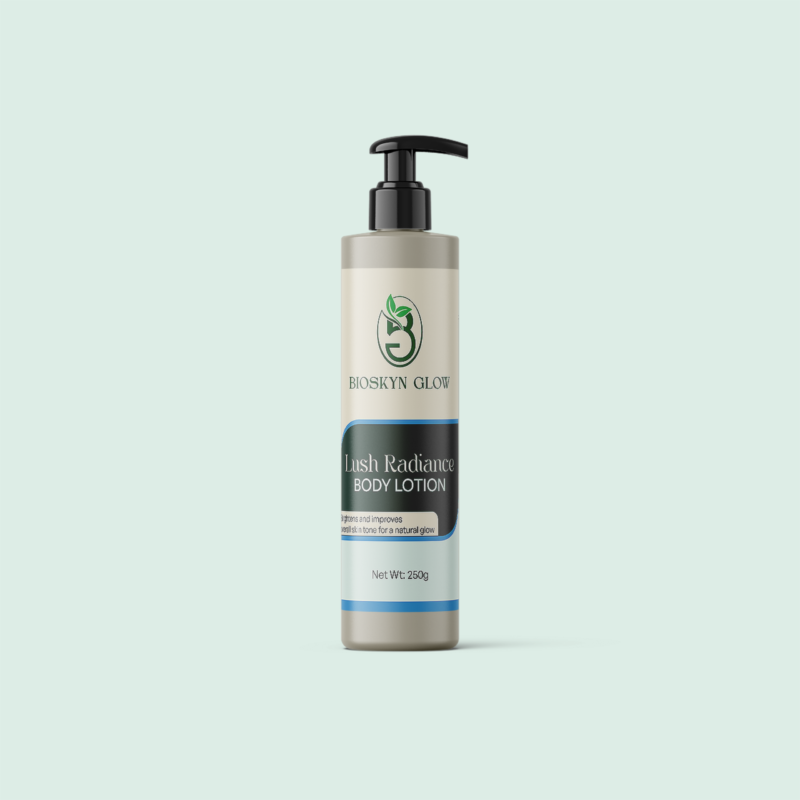
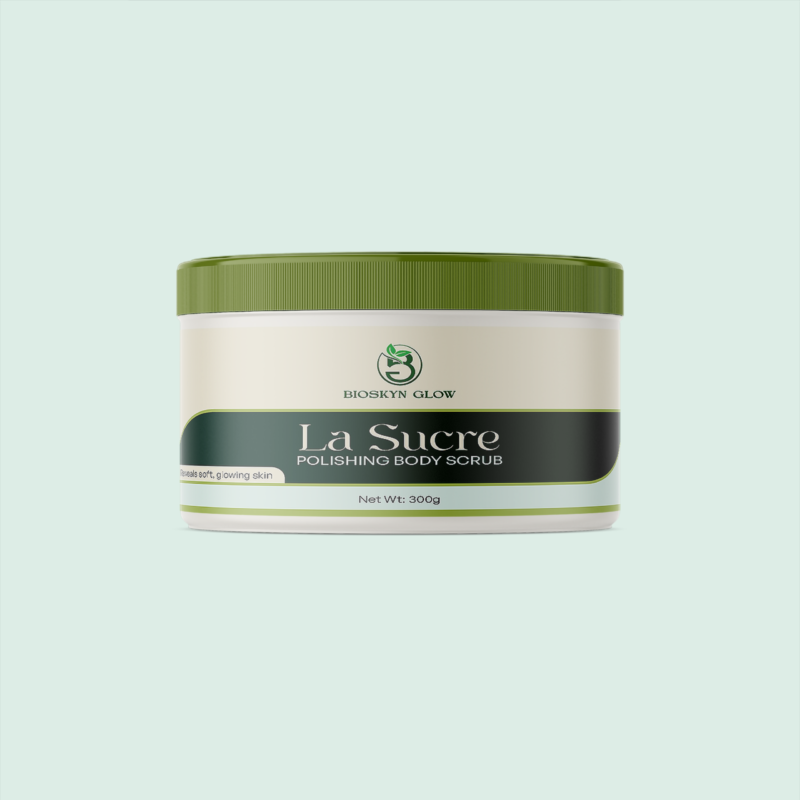
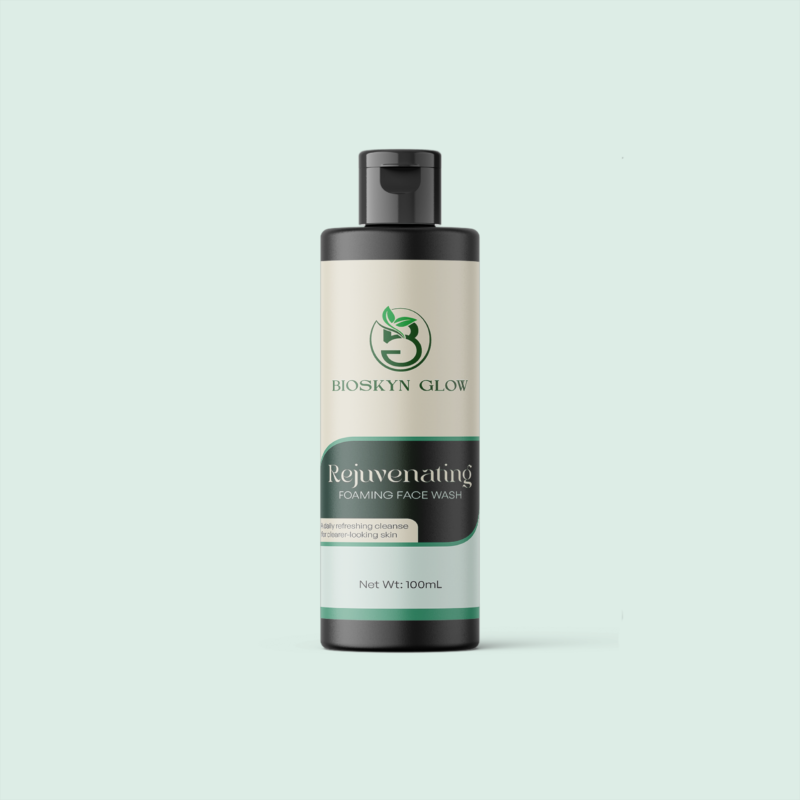
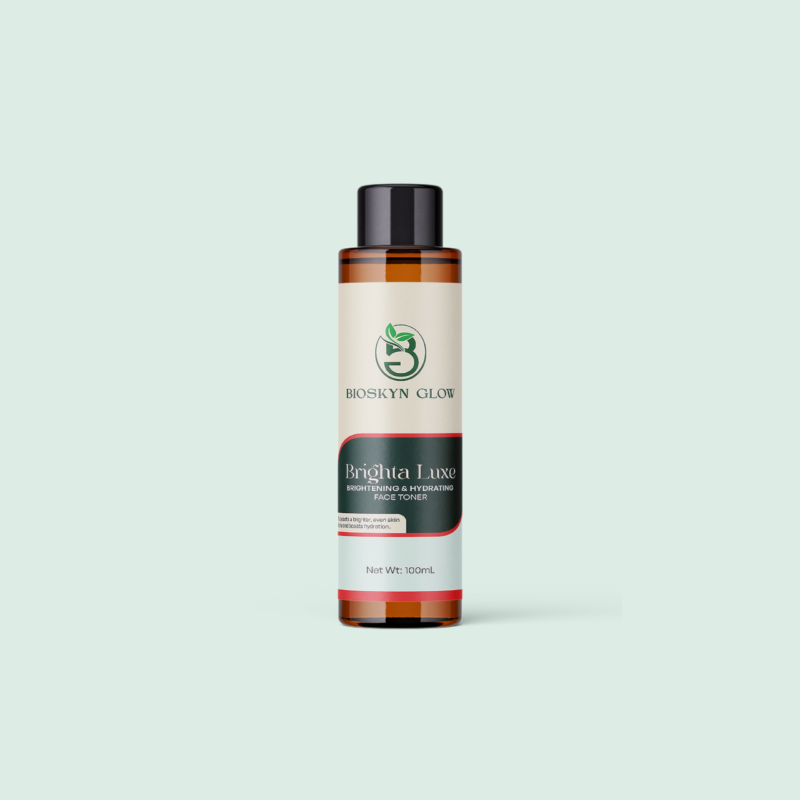
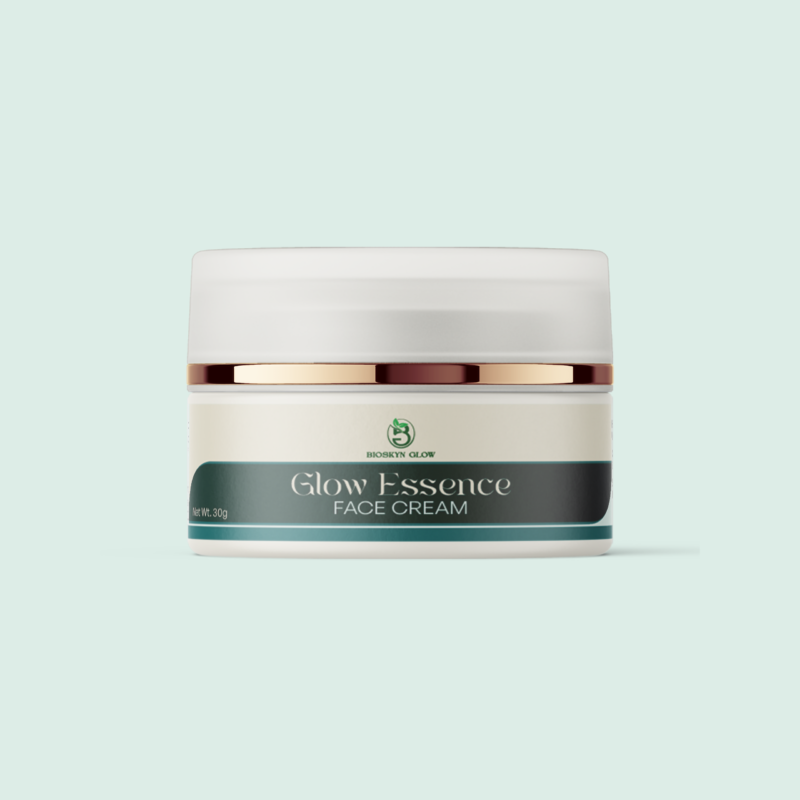
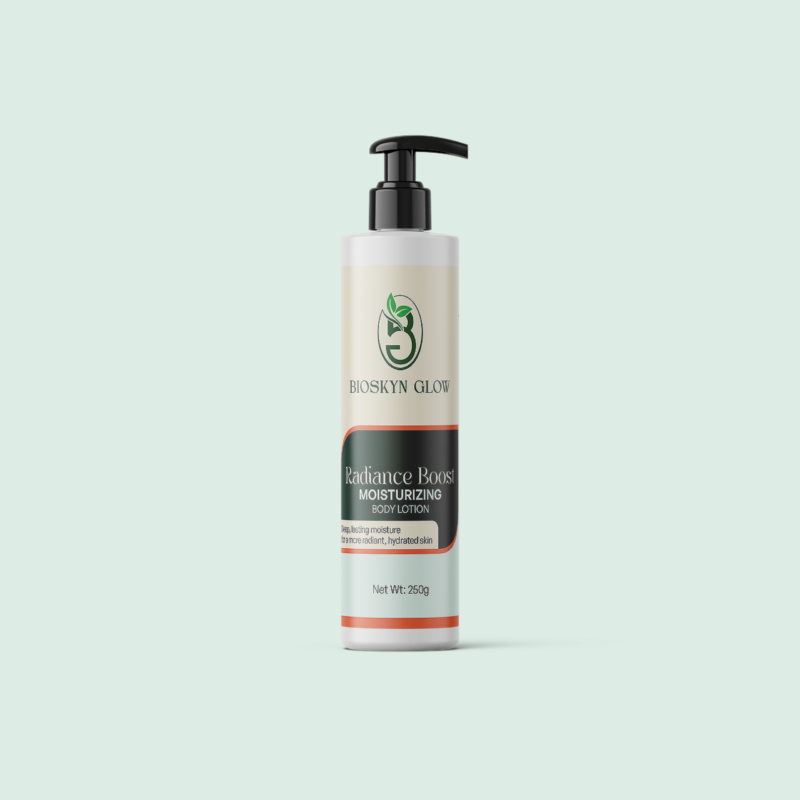
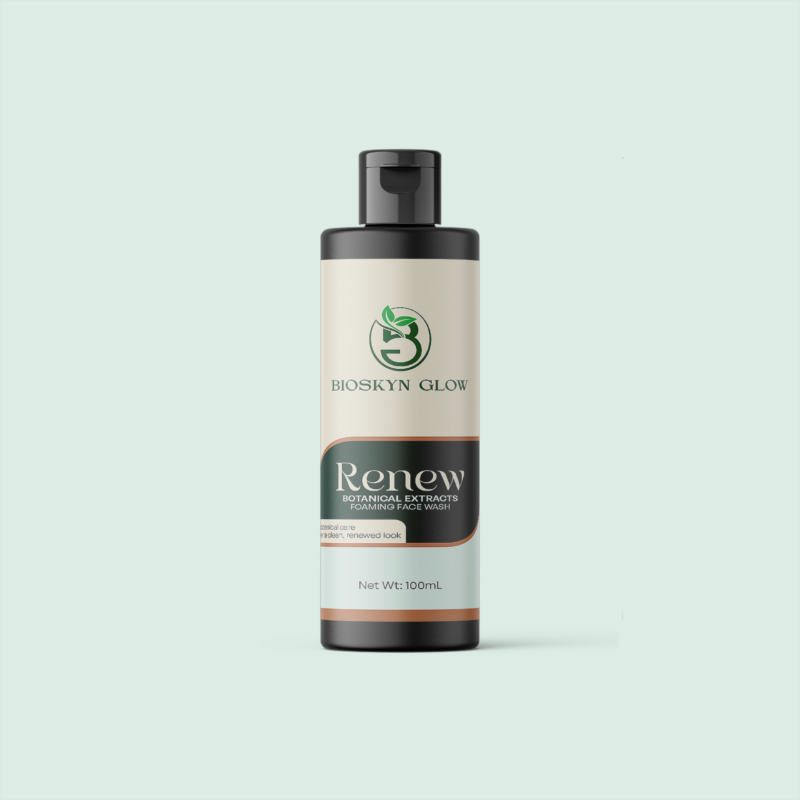
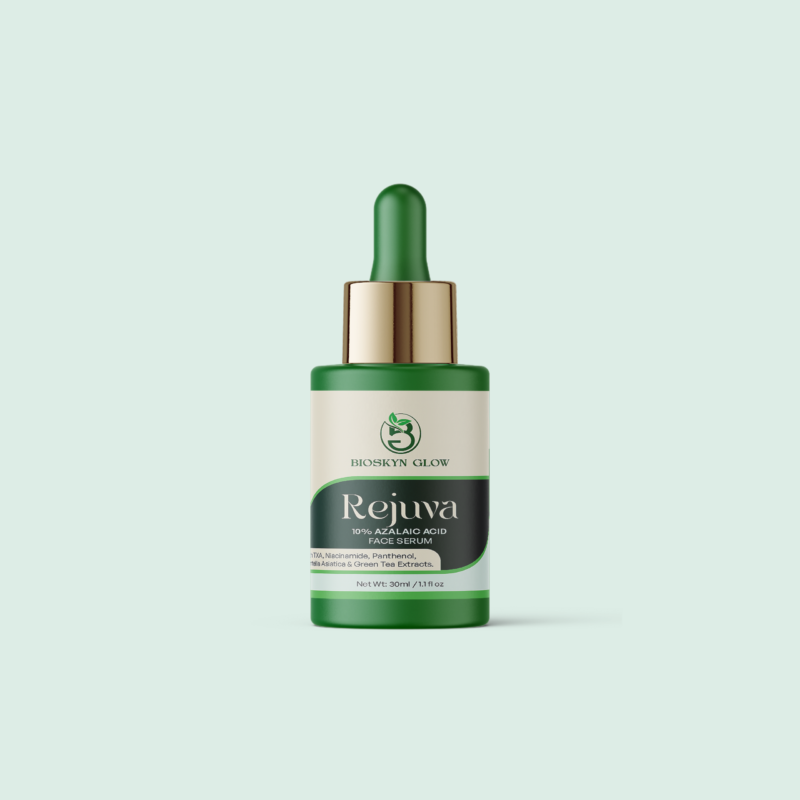
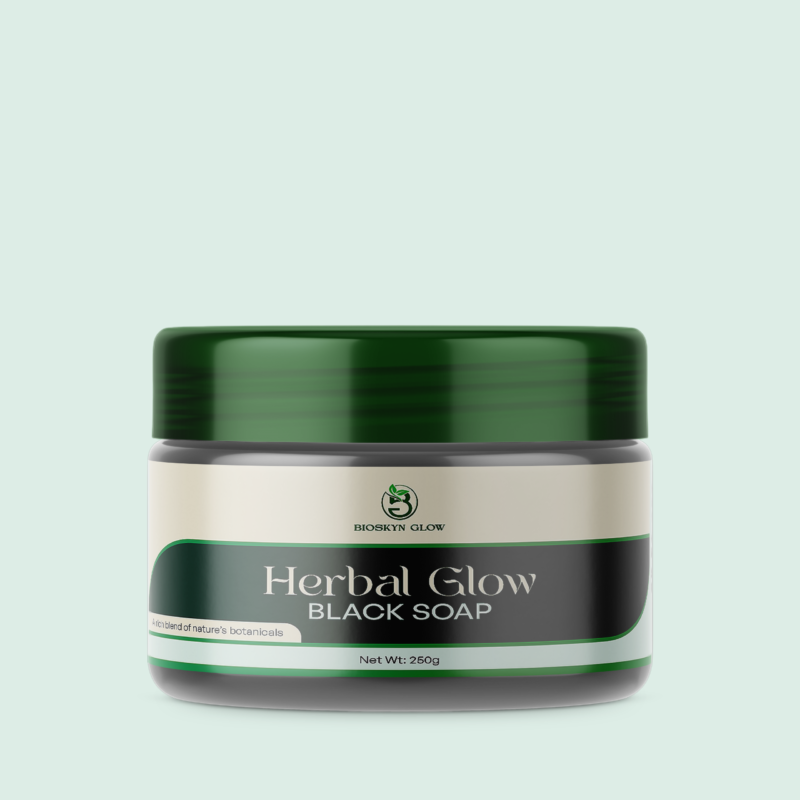
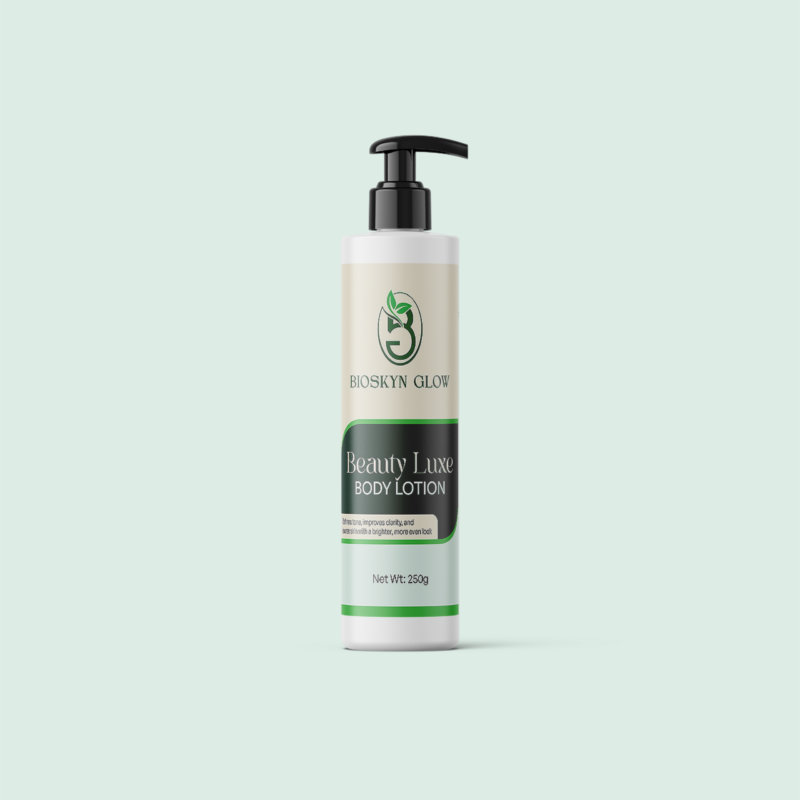
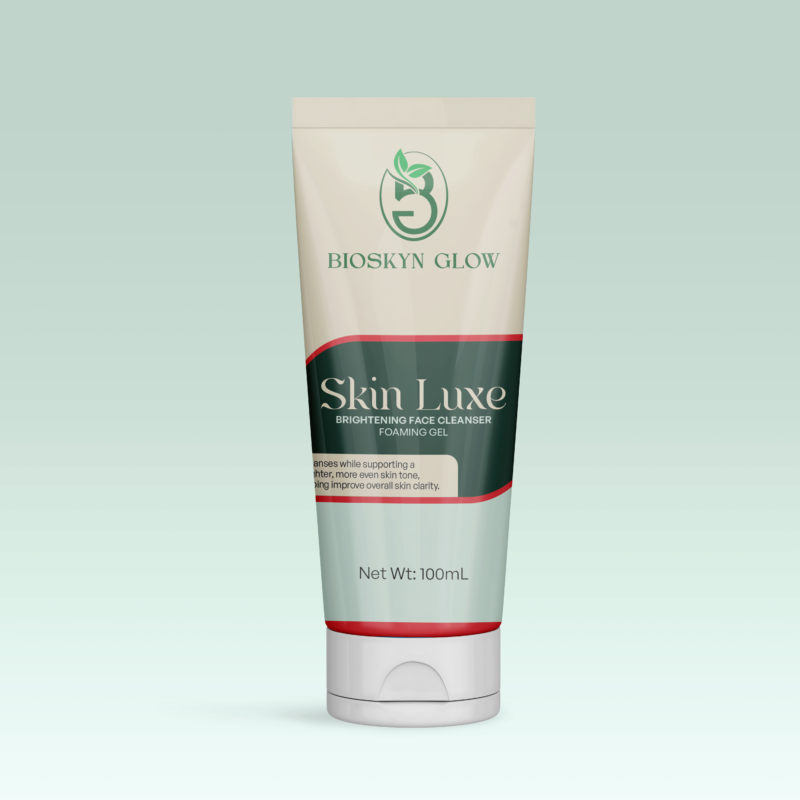
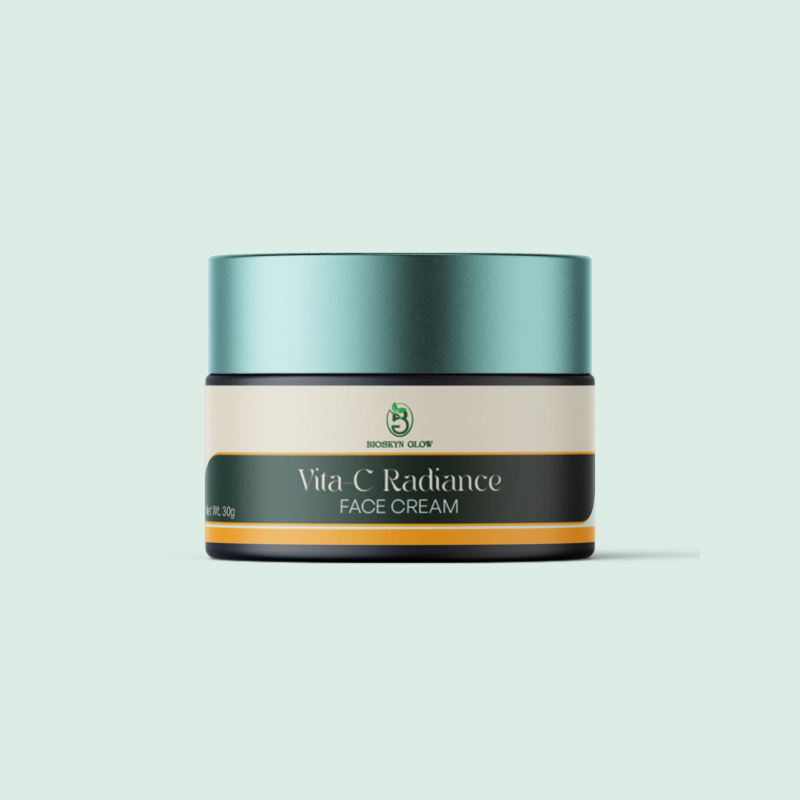
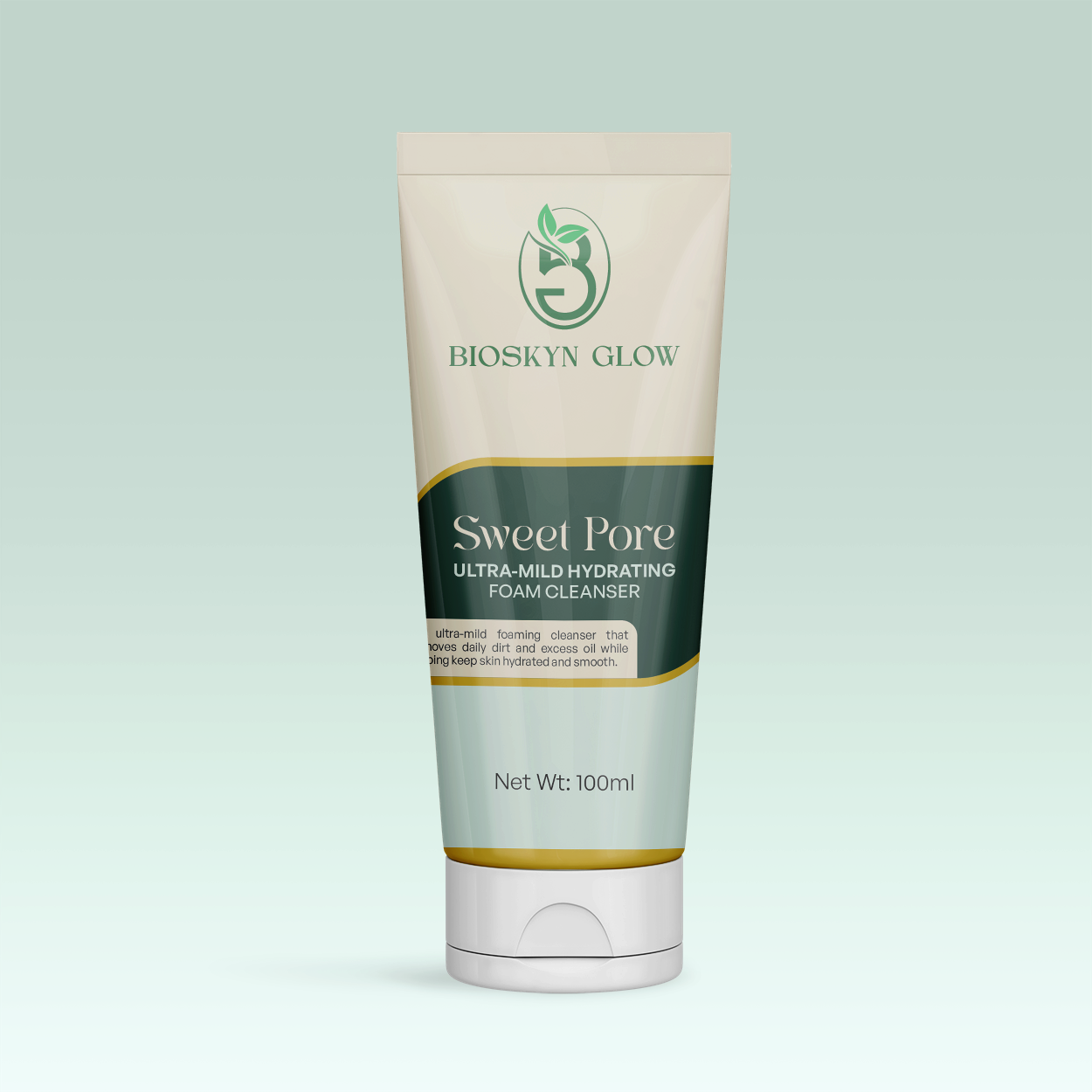
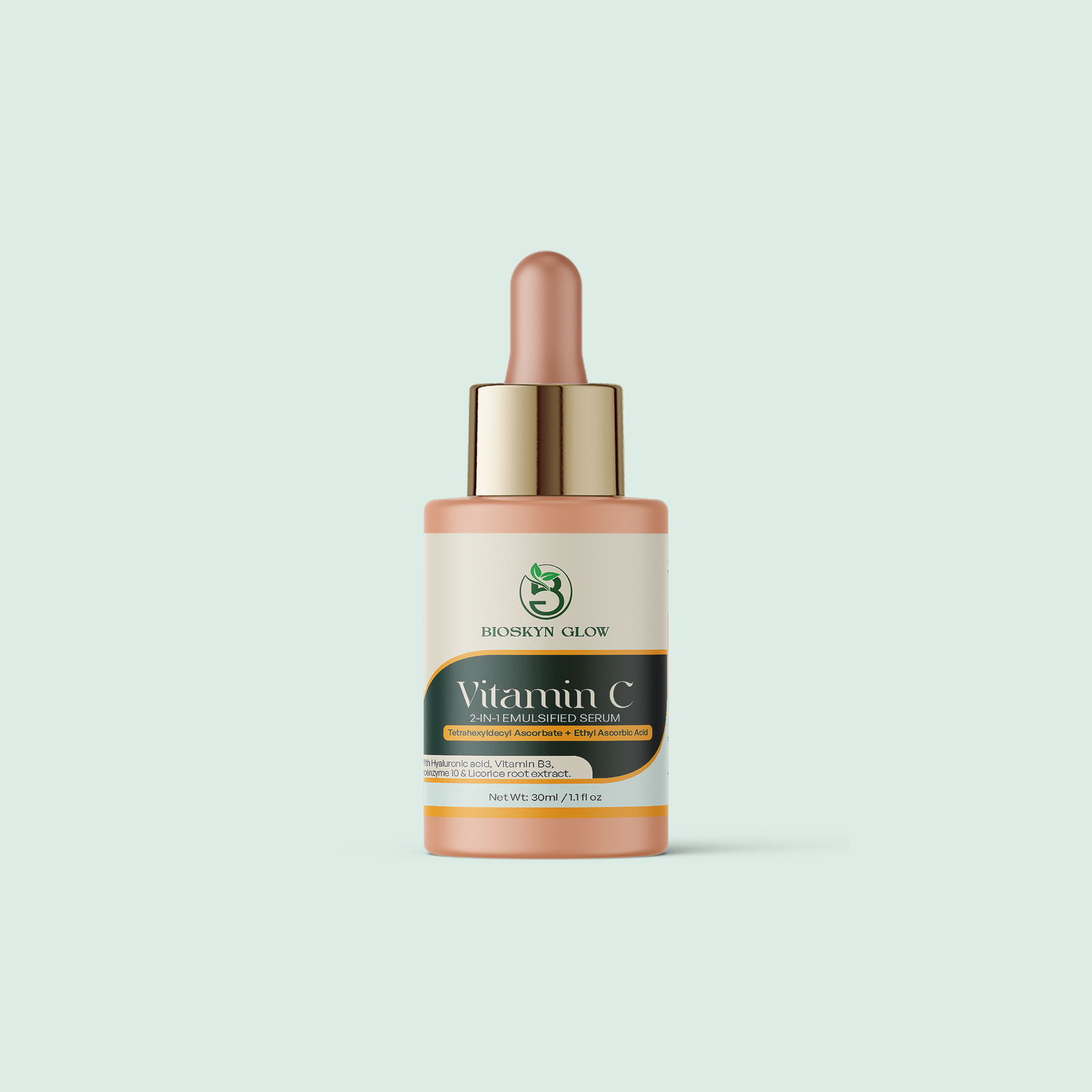
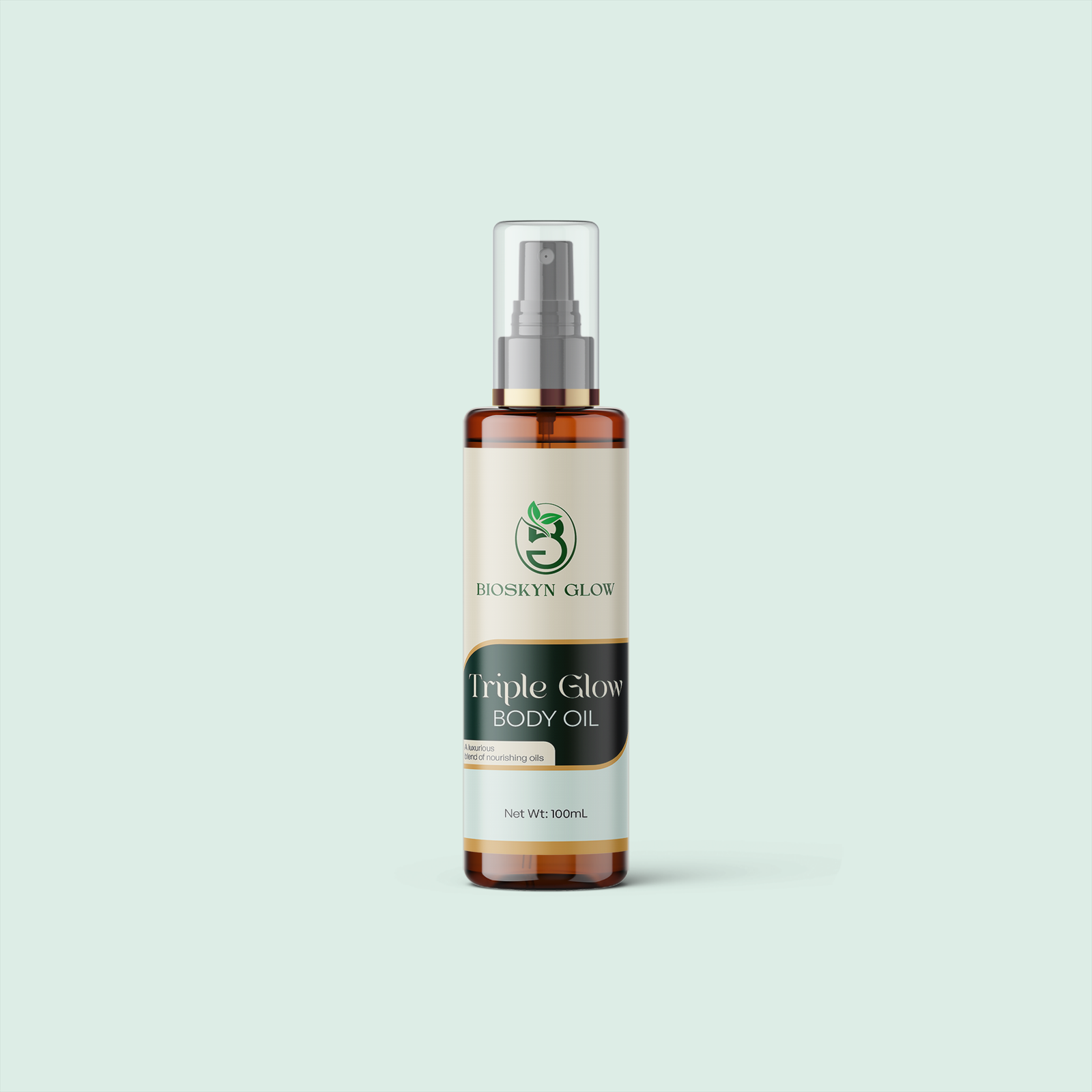
Every product below was chosen with your specific skin type in mind. Start where you are, build from there, and let your skin show you what it’s capable of when it finally gets exactly what it needs.
Your skin is not a problem to be solved. It is a living, breathing, constantly shifting part of you and the more honestly you listen to it, the better it responds. Knowing your skin type isn’t the finish line. It’s the starting point. It’s where every good routine, every right product, and every real result begins.
You came here with a question. You’re leaving with an answer and with the tools to act on it. That’s not a small thing. That’s the difference between a routine that merely exists and one that actually transforms.
Now go give your skin exactly what it’s been asking for. It’s been very patient.
“The right routine starts with one honest question. You just answered it.”
Shop your skin type above and let the transformation begin.