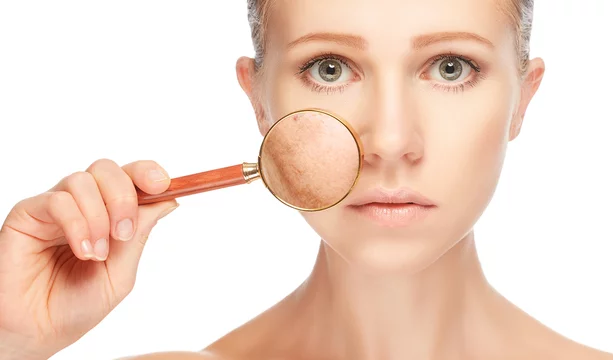
Have you ever used a product that once felt amazing, only to suddenly find your skin feeling irritated, tight, dry, or unusually sensitive? Or perhaps you’ve invested in good skincare products but still struggle with redness, dehydration, or skin that simply doesn’t seem as healthy as it should. The answer may not be another serum, toner, or moisturizer.
It could be your skin barrier.
While it rarely gets the same attention as trending skincare ingredients, your skin barrier quietly works around the clock to keep your skin looking and feeling its best. In many ways, it is the foundation upon which healthy skin is built.
So What Actually Is the Skin Barrier?
You’ve probably used the phrase without thinking much about it. “My skin barrier is damaged.” Or you’ve read it on a product label; “barrier-restoring,” “barrier-supporting,” “barrier-repair formula.” It’s everywhere in skincare right now. But if someone asked you to explain what your skin barrier actually is, what it actually does, and what it actually feels like when it’s broken, could you?
Most people can’t. And that gap in understanding is costing them in frustration, in wasted product, in skin concerns that keep cycling back no matter what they try. The truth is almost every chronic skin problem; the persistent dryness, the unexpected breakouts, the redness that won’t settle, the sensitivity that came out of nowhere, the products that sting when they never used to almost all of it traces back to one thing.
The skin barrier.
Understanding it doesn’t just change how you shop for skincare. It changes how you think about your skin entirely. And once you understand it, you cannot un-understand it because suddenly, everything makes sense.
Now, think of your skin barrier as your skin’s personal bodyguard. It forms the outermost layer of your skin and serves as a protective shield between your skin and the outside world. It’s incredibly thin, thinner than a single sheet of paper in some areas of the face and yet it is one of the most complex, most hardworking structures in the entire human body.
Its job is surprisingly simple:
Keep moisture in
Keep irritants out
Help defend against environmental stressors
Support healthy, comfortable skin
When your skin barrier is functioning properly, your skin is more likely to feel smooth, balanced, hydrated, and resilient. When it’s struggling, your skin often lets you know.
What Happens When Your Skin Barrier Is Damaged?
This is where it gets deeply personal because damaged barrier skin has a very specific, very recognizable set of feelings. And if you’ve ever experienced it, you’ll know exactly what we’re describing.
The moisturizer that used to feel comfortable now stings on application. That’s not the product changing, that’s your barrier gaps allowing actives to penetrate deeper than they should, triggering nerve endings that wouldn’t normally be reached.
Your skin feels tight and dry no matter how much you moisturize. That’s transepidermal water loss, moisture evaporating through the gaps in your barrier faster than any product can replenish it.
Redness and irritation appear from products that never bothered you before. A compromised barrier lets irritants in that a healthy barrier would have blocked entirely.
Breakouts appear even though your skin feels dry and sensitive at the same time. A damaged barrier allows bacteria to penetrate while simultaneously failing to regulate oil production properly, a deeply frustrating combination that confuses most people because it doesn’t fit neatly into any one skin type category.
Your skin just feels… off. Reactive, unpredictable, uncomfortable. Like it has a mind of its own and nothing you do seems to help.
If these sound familiar, you’re not imagining it and you’re not alone. Barrier damage is one of the most common and most commonly misdiagnosed skin conditions there is.
A damaged skin barrier doesn’t just affect how your skin looks. It affects how your skin feels from the inside out. And it affects how every single product in your routine performs.
Many people assume they need stronger products when they notice these changes. In reality, the skin is often asking for support not more stress.
What Can Weaken The Skin Barrier?
Everyday habits can gradually put pressure on the skin barrier.
Some of the most common causes include:
Over-Exfoliating
Exfoliation can be beneficial when used appropriately, but too much can leave the skin feeling vulnerable and irritated. Over-exfoliating is perhaps the most common self-inflicted barrier damage in modern skincare. The enthusiasm for acids, scrubs, and exfoliating tools has led to a generation of people who have quite literally exfoliated their barrier away. Exfoliation has its place but it has a limit. Cross that limit and you’re not renewing your skin. You’re damaging it.
Over-cleansing or using harsh cleansers
Strips the skin’s natural lipid layer. Every time you cleanse with something too stripping, you’re hurting your skin’s personal bodyguard.
Using Too Many Products At Once
A complicated routine isn’t always a better routine. Layering multiple active ingredients without understanding how they work together can sometimes overwhelm the skin.
Hot water
Dissolves the lipids that make up the skin barrier. Long, hot showers and hot water face cleansing are quiet, daily contributors to barrier damage that most people never connect to their skin problems.
UV exposure and Environmental Stress
UV exposure without protection degrades the lipid layer and damages the cells that maintain barrier integrity, one of many reasons why SPF is non-negotiable. Harsh weather conditions, extreme cold, dry air, wind and pollution can all challenge the skin’s natural defenses. They can physically strip moisture from the surface of the skin and wear the barrier down over time.
Stress
Triggers the release of cortisol a hormone that actively suppresses the skin’s ability to repair and maintain its barrier. If your skin flares during stressful periods, this is why.
Skipping Moisture
Hydrated skin is happy skin. When the skin lacks adequate hydration and moisture support, the barrier can become less effective over time.
Why A Healthy Skin Barrier Changes Everything
Many skincare goals actually become easier to achieve when the skin barrier is healthy.
A supported barrier helps the skin:
Retain moisture more effectively
Feel calmer and more comfortable
Better tolerate skincare products
Maintain a smoother-looking appearance
Support an overall healthier-looking complexion
In other words, before focusing on glow, brightening, or even anti-aging concerns, it often helps to ensure your skin’s foundation is in good shape.
How Do You Know If Your Barrier Is Damaged?
Your skin tells you, you just need to know how to listen. Here are the clearest signs:
Skin that feels tight, uncomfortable, or raw after cleansing. Redness or flushing that appears without obvious cause. A burning or stinging sensation when applying products that are otherwise gentle. Dry patches that persist despite regular moisturizing. Skin that feels sensitive to temperature changes. Breakouts appearing alongside dryness simultaneously. A general feeling that your skin is unpredictable and impossible to please.
If three or more of those descriptions feel familiar, your barrier needs attention.
01. How To Support Your Skin Barrier
The good news is supporting your skin barrier doesn’t have to be complicated.
Keep Your Routine Consistent
Healthy skin thrives on consistency rather than constantly switching products.
Focus On Hydration
Hydrating products can help the skin feel replenished and comfortable.
Avoid Overdoing Active Ingredients
More isn’t always better. Allow your skin time to respond before introducing multiple treatment products at once.
Moisturize Regularly
A good moisturizer helps support the skin’s ability to maintain hydration and comfort.
Listen To Your Skin
Your skin often tells you what it needs. When irritation or sensitivity appears, it may be time to simplify and focus on recovery.
02. How To Repair It?
This is the part that matters most because barrier damage, while frustrating, is absolutely reversible. Your skin has a remarkable capacity to repair itself when you give it the right conditions and the right support.
Step One is to Simplify
Strip your routine back. Remove the actives, the exfoliants, the treatments temporarily. A compromised barrier doesn’t need more to do. It needs less interference and more support.
Cleanse Gently
Switch to the most gentle, hydrating cleanser you have. Lukewarm water only. Pat dry.
Hydrate Deeply
Layer hydration; a soothing toner followed by a serum focused on hydration and barrier support, followed by a rich, nourishing moisturizer that contains ingredients like Niacinamide and ceramide-supporting compounds.
Protect Consistently
SPF every morning without exception, UV exposure on a damaged barrier is significantly more harmful than on a healthy one.
Be Patient
Barrier repair doesn’t happen overnight. Mild damage can resolve in one to two weeks with the right approach. More significant damage can take four to six weeks. The most important thing you can do during that time is stay consistent and stay gentle.
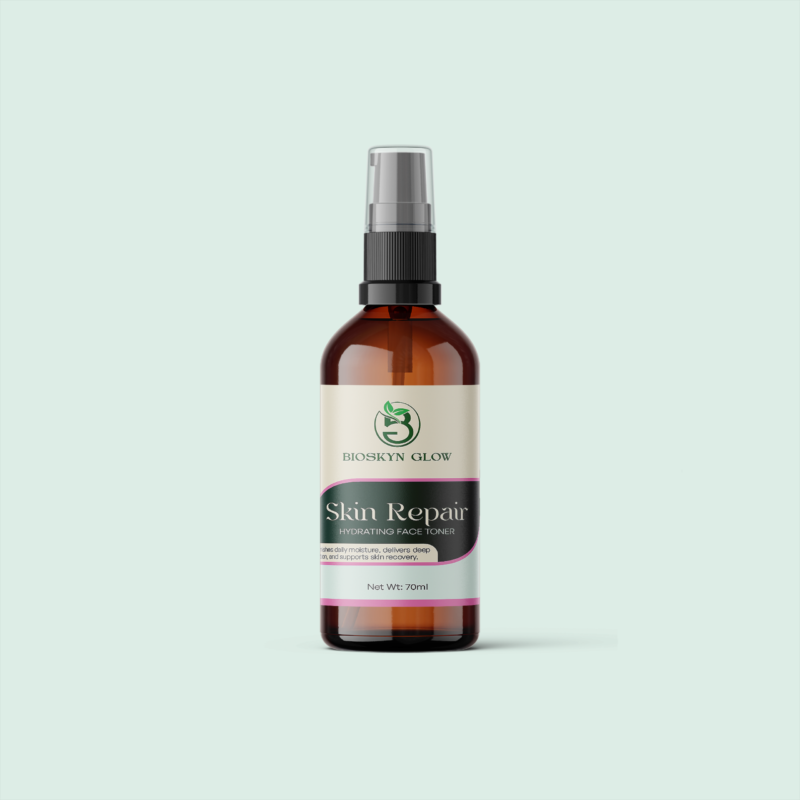
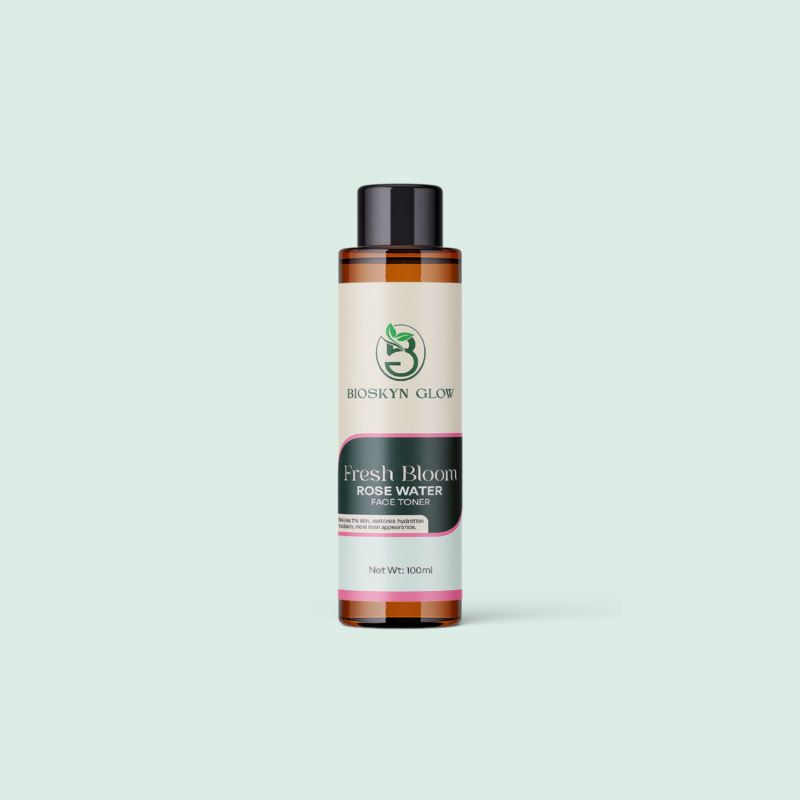
Bioskyn Glow Picks For Barrier-Friendly Care
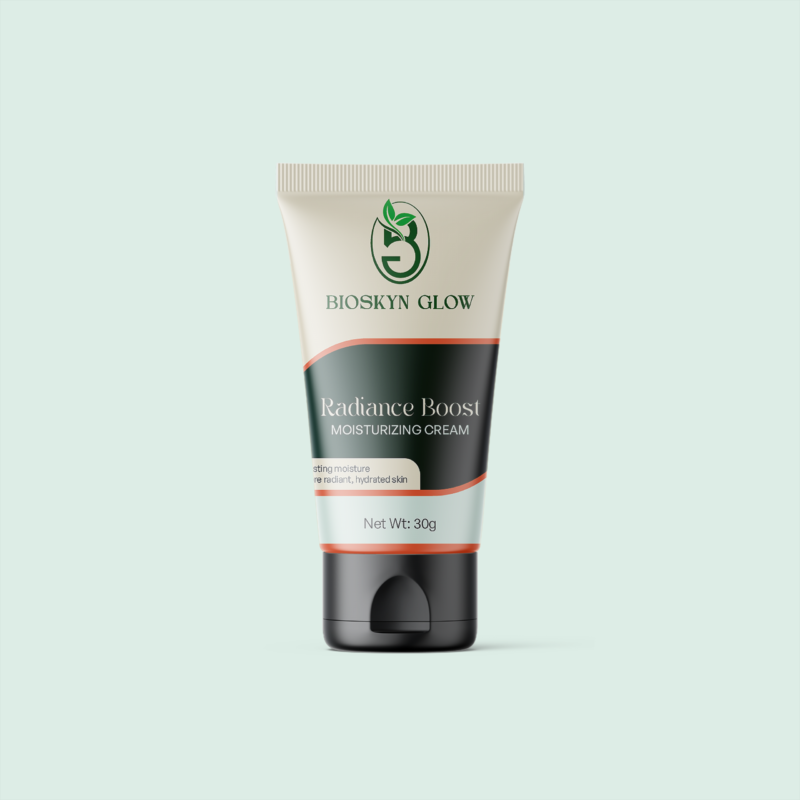
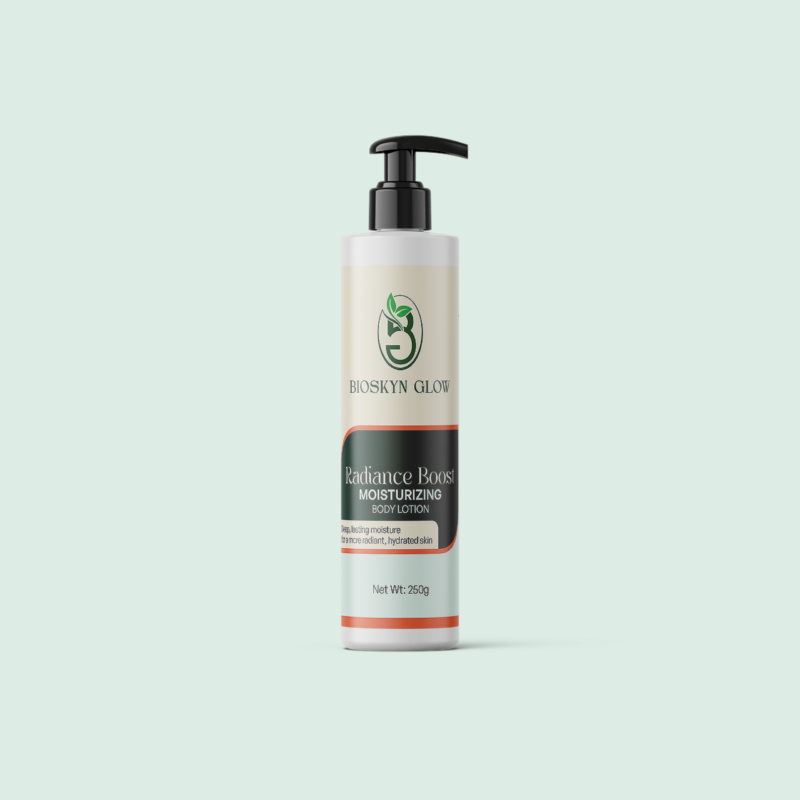
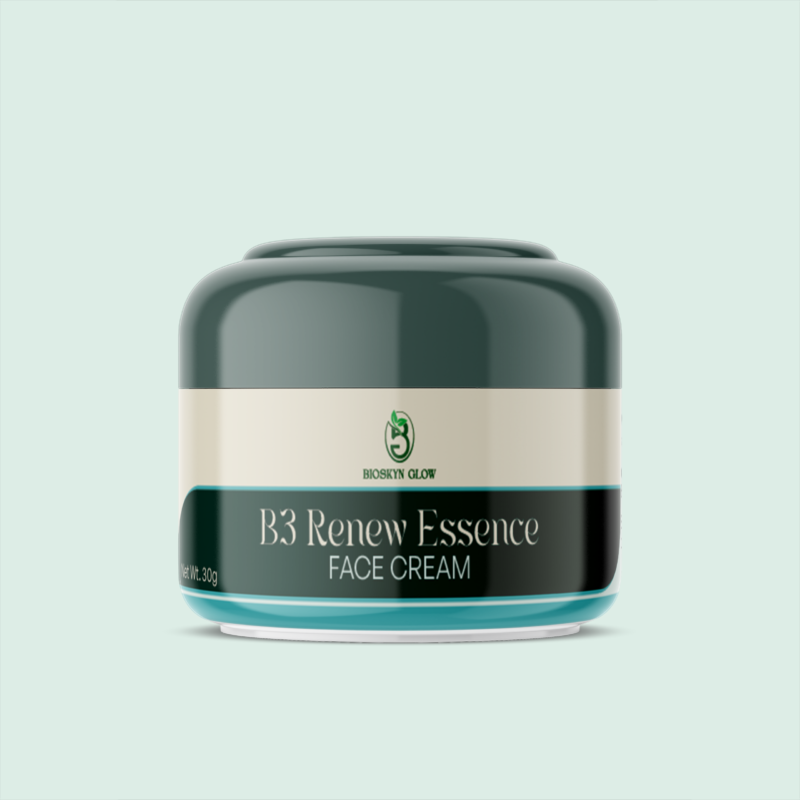
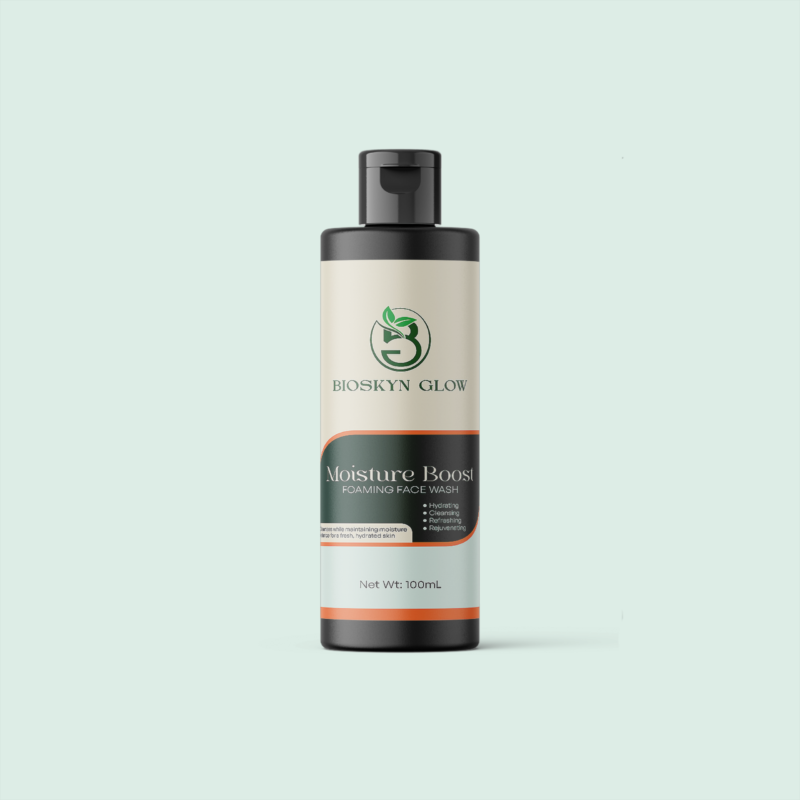
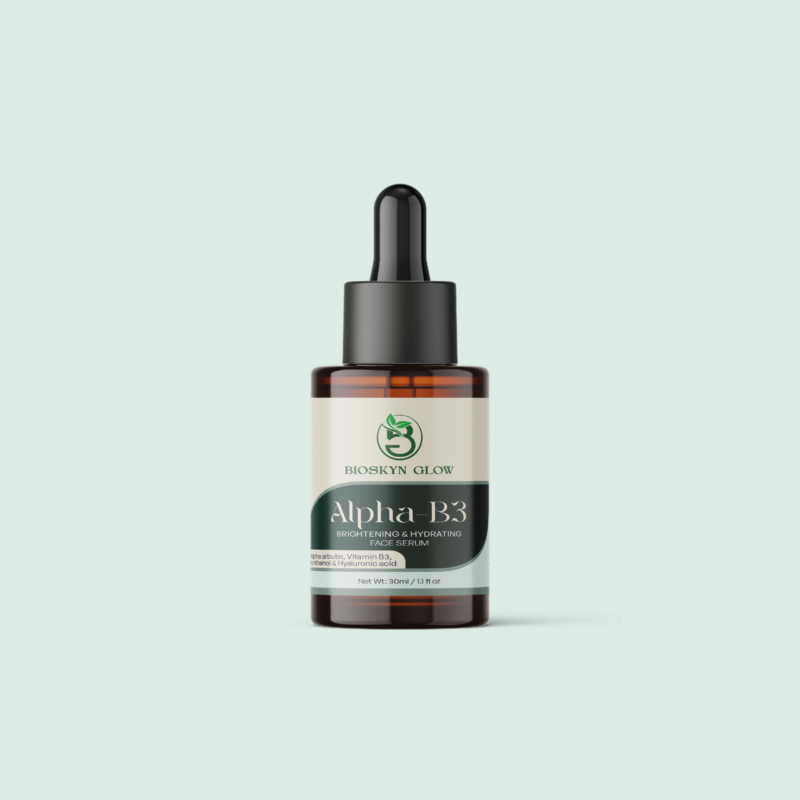
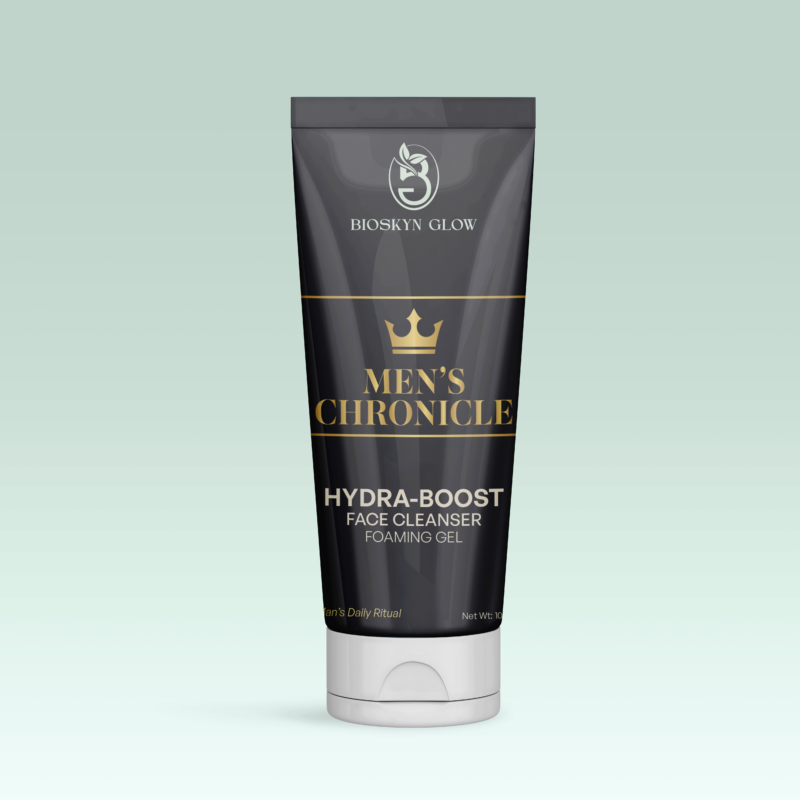
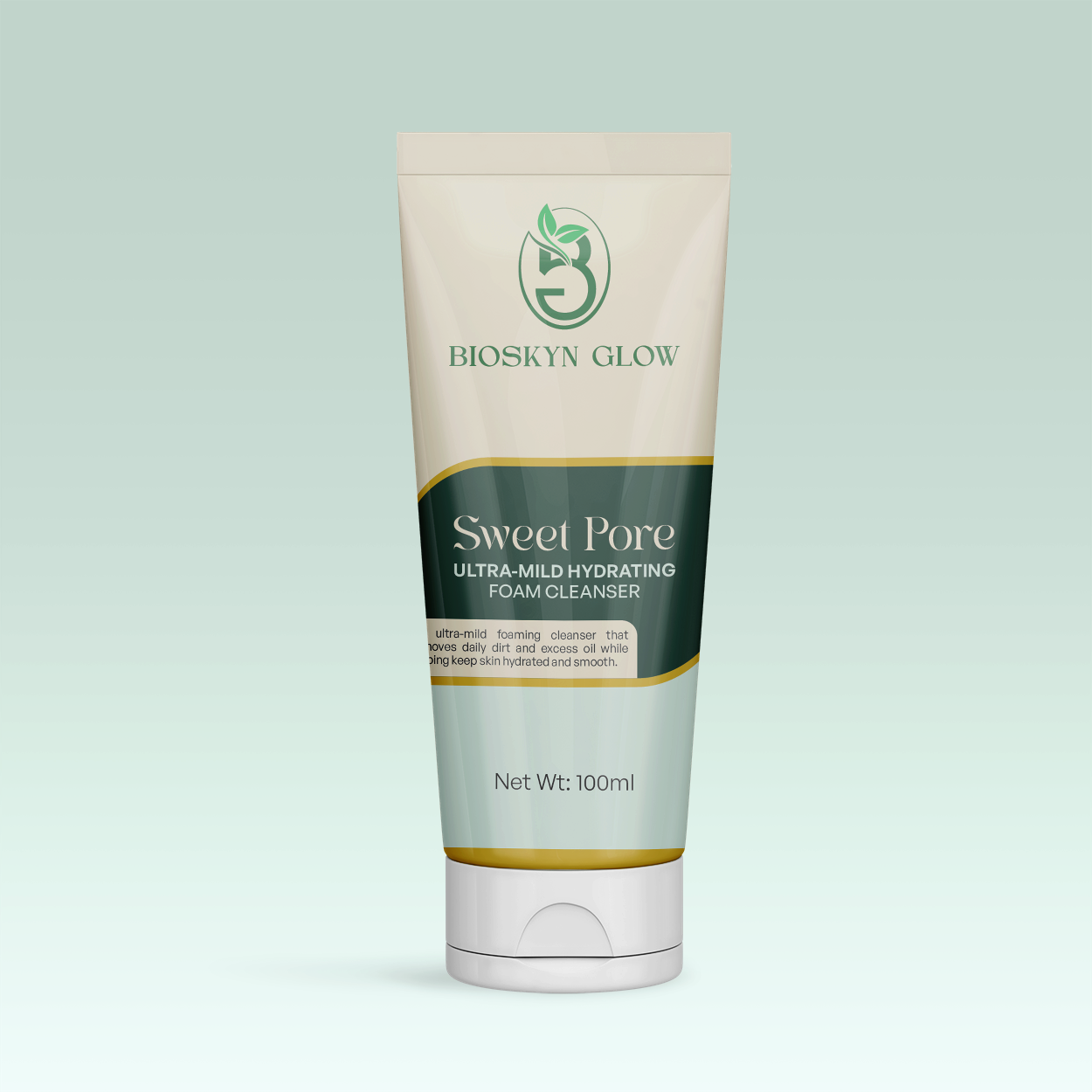
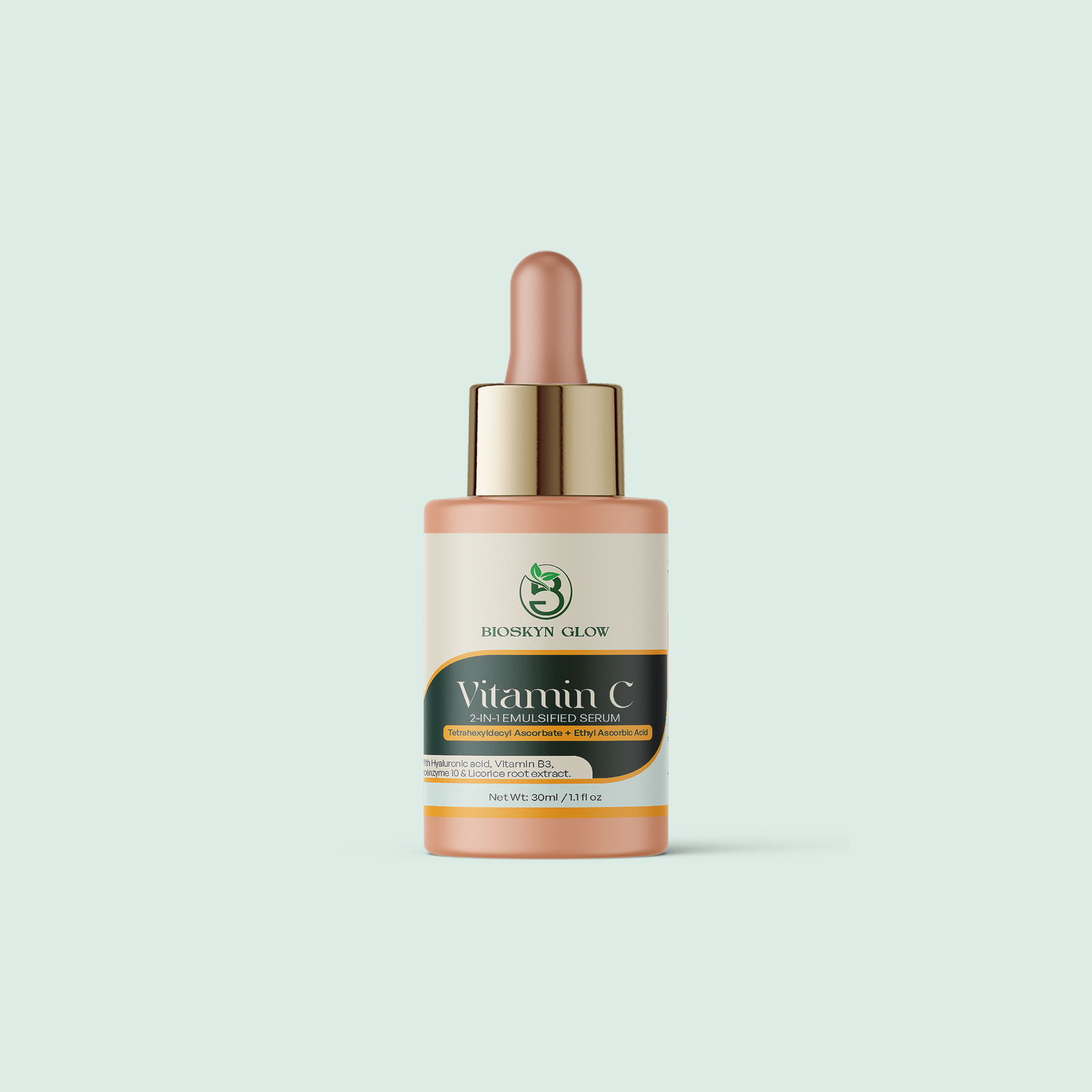
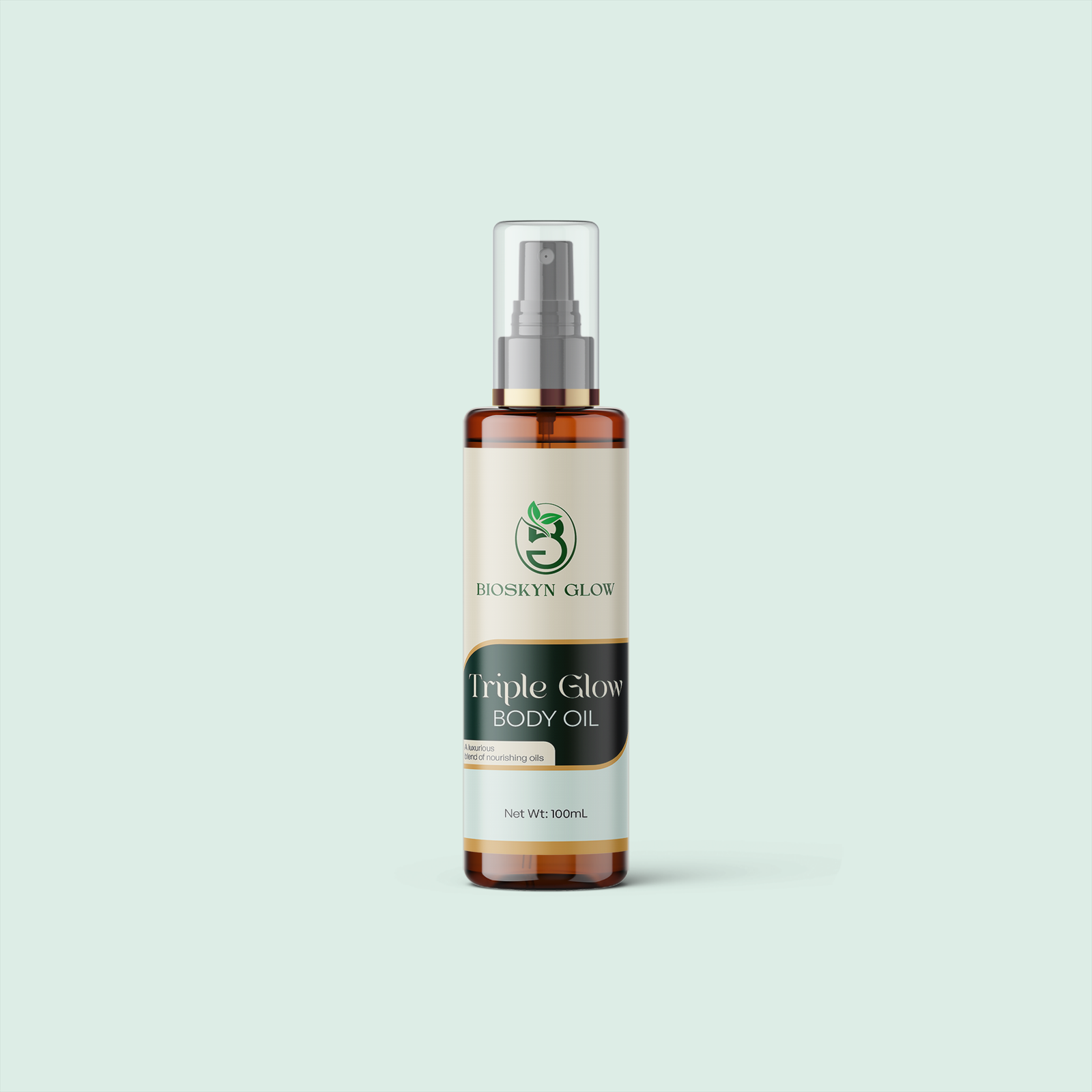
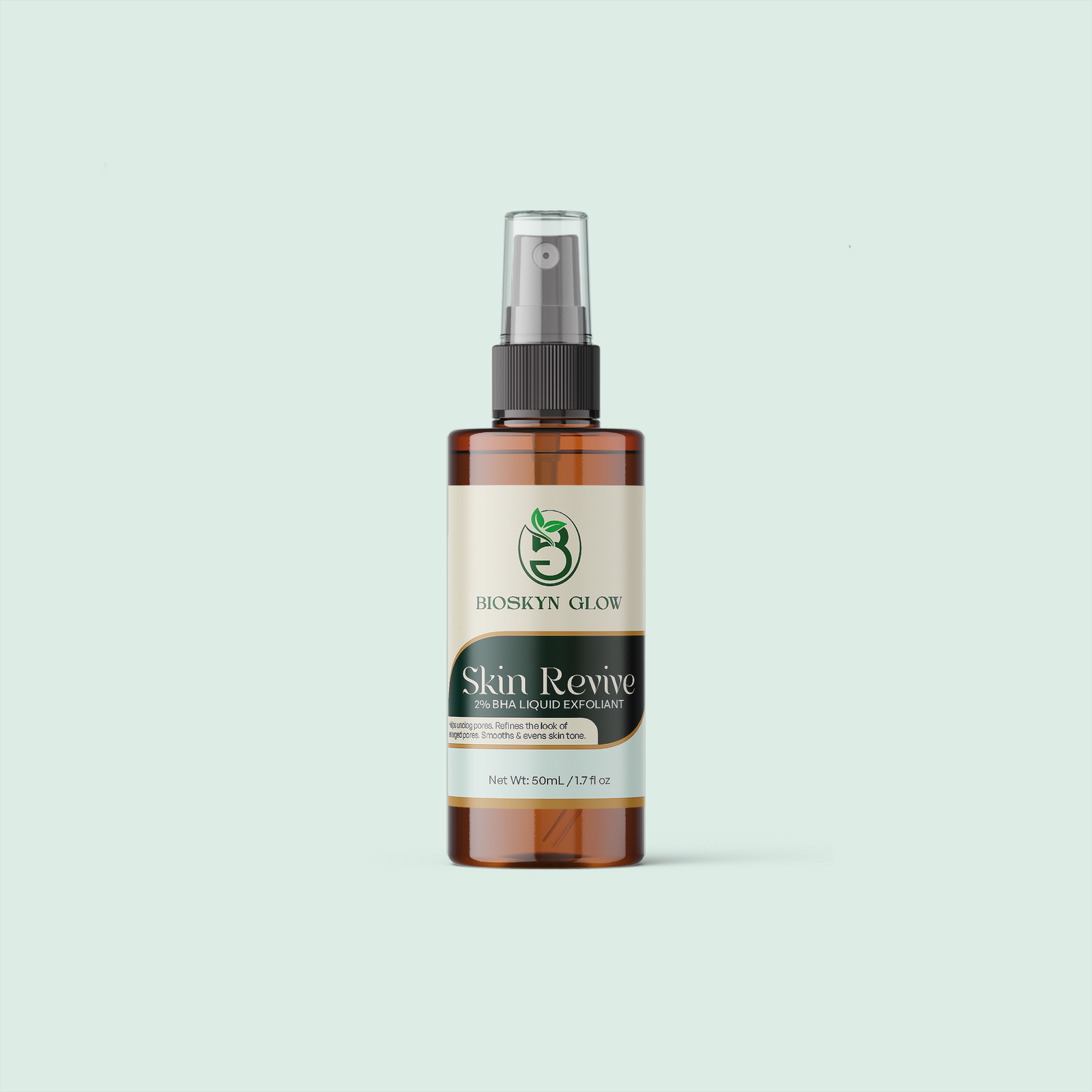
Looking to support your skin’s hydration and overall comfort? Explore some of our skincare essentials designed to help keep your routine balanced and enjoyable:
Your skin barrier may not be visible, but its impact certainly is. It is not just a layer of dead skin cells. It is a living, functioning, constantly working system that protects everything underneath it and everything about you that the world gets to see.
When it’s healthy, skin tends to feel comfortable, hydrated, balanced, and products absorb beautifully. Your complexion looks even, calm, and luminous. You glow without trying.
When it’s damaged, you feel it in everything. In the sting of your toner. In the tightness after cleansing. In the frustration of a routine that used to work and suddenly doesn’t.
That’s why caring for your skin barrier isn’t just another skincare trend, it’s one of the smartest investments you can make in your skin’s long-term health. Because before the glow, before the radiance, and before every skincare goal comes one simple foundation: A healthy skin barrier.